
Eating disorder experts are warning that online wellness content is pushing a new generation of Australians toward disordered eating, as a global study released this week found anorexia and bulimia now affect an estimated 18.1 million people worldwide, a rise of 71 per cent since 1990.
The warning, reported by the Australian Broadcasting Corporation on October 31, comes as the Butterfly Foundation, one of Australia's leading eating disorder charities, estimates the global wellness economy will reach $9 trillion by 2028, with much of that growth fuelled by social media content that repackages old body ideals as health advice.
A familiar message, repackaged for a new generation
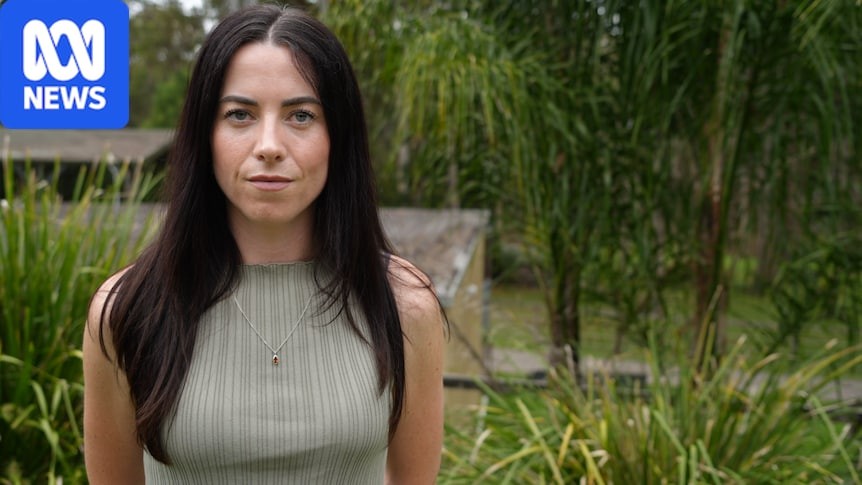
Kathleen McBride, 30, was diagnosed with bulimia at 18 after years of exposure to weight-loss advertising and celebrity messaging. Now recovered, she works at an eating disorder recovery village on Queensland's Sunshine Coast, where she sees the same narratives reaching teenagers through their phones.
She said young people in her care are swamped by content promoting restrictive diets, from carnivore and low-FODMAP regimes to macro counting and gluten-free, dairy-free, sugar-free eating.
Rhianna Healey, 28, a Sunshine Coast dietitian, was herself admitted to hospital at 15 for involuntary treatment for an eating disorder after being inundated with wellness content as a teenager. She now sees how susceptible young people remain to creators sharing brand deals dressed up as health information.
It is appalling, she said, that diet and wellness companies make millions while the evidence shows dieting is the single biggest behavioural risk factor for an eating disorder.
How big is the problem in Australia?
Butterfly Foundation data shows eating disorders affect more than 1.1 million Australians, and the number of people impacted has grown by more than 21 per cent since 2012.
The peer-reviewed global study, released on Thursday, describes anorexia and bulimia as a growing public health challenge and forecasts rates will continue rising through 2050.
Butterfly CEO Jim Hungerford said narrow appearance ideals are not health goals, and urged people to consider whose interests are served by the messages sold about health and bodies.
Jade Gooding, CEO of the Australia New Zealand Academy for Eating Disorders, said the conflicting messages about health in society are driven by industries that profit from insecurity.
Why short-form video is so effective
Angela Hinz, a lecturer and researcher at the University of the Sunshine Coast, said the impact of social media on young people's body image and eating habits is well established. Short videos watched daily by many young Australians encourage parasocial relationships with creators, she said, and wellness content is now diminishing young people's trust in healthcare practitioners and interfering with their relationships.
When misinformation is layered on top, she said, the body becomes a project with no level of satisfaction, because there is always something more to do and achieve.
International reporting supports the concern. MIT Technology Review noted this week that social media comparisons, influencers, challenges and diet trends can all precipitate eating disorders, and that the reported figures likely understate the true rate. Separately, Extra magazine reported that constant exposure to idealised bodies on traditional and social media reinforces narrow ideas of what a healthy body should look like, leading users to equate thinness with wellbeing.
Calls for regulation and a duty of care
Sunshine Coast allied health worker Mathieu Cadart said he treats young Australians whose eating disorders have caused severe physical and mental health damage. While he believes social media companies should regulate content better, he said the onus also sits with creators, who should weigh whether chasing views and likes means abandoning a duty of care to their audience.
Dr Hinz wants stronger duty-of-care laws, with harmful content flagged and removed and posters held accountable, especially where profit is involved. She has also called for better systems to get accurate health information in front of young people.
FAQ
How many people in Australia have an eating disorder?
More than 1.1 million Australians are affected, according to Butterfly Foundation data, a figure that has risen more than 21 per cent since 2012.
How fast are anorexia and bulimia growing globally?
An international peer-reviewed study found anorexia and bulimia affected an estimated 18.1 million people in 2023, up 71 per cent since 1990, with rates forecast to keep rising through 2050.
What is the value of the global wellness economy?
The Butterfly Foundation estimates it will reach $9 trillion by 2028.