
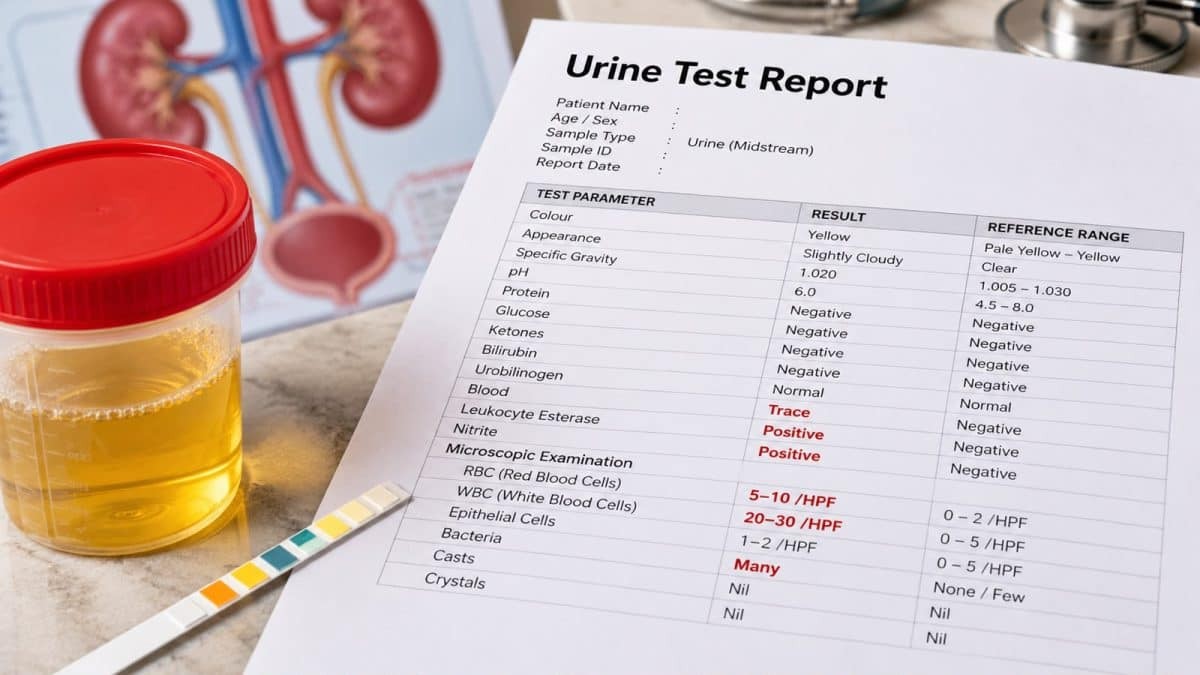
Doctors are warning that millions of women who report recurring urinary tract infection symptoms may be receiving the wrong diagnosis, after reporting published by Firstpost on 24 October 2026 highlighted cases where bladder pain persists despite clean urine cultures. The problem, specialists say, is twofold: the UTI label is applied too loosely, and repeated courses of antibiotics can do more harm than good when no bacterial infection is present.
The stakes are considerable. An estimated 400 million UTI cases are reported worldwide each year, and between 50 and 60 per cent of women will experience at least one in their lifetime. In the UK alone, the patient advocacy group Chronic Urinary Tract Infection Campaign estimates that 1.6 million women live with chronic lower urinary tract symptoms.
Why the UTI label is often applied too loosely
According to the
What actually counts as a UTI
Dr Geeta Chadha, senior gynaecologist at Indraprastha Apollo, told
“When symptoms are present, but lab results are clean, the cause lies elsewhere. The bug entered, the body mounted an inflammatory response, the bug is no longer there, but the inflammatory response continues, damaging the local cells.”
Over time, she said, this persistent inflammation can progress to painful bladder syndrome, formerly known as interstitial cystitis. A
Endometriosis and other conditions that mimic a UTI
Endometriosis is another cause that is routinely missed. “A lot of women have undiagnosed endometriosis. It is a chronic inflammatory condition of the pelvis, progressive, and it can be aggressive,” Dr Chadha said. When tissue similar to the uterine lining grows near the bladder, it can produce symptoms that closely resemble an infection.
Vaginal infections and viral conditions such as herpes or HPV can also be behind urinary discomfort. Pelvic floor tension can produce similar pressure, and some gynaecological conditions cause pelvic pain that feels urinary in nature, as
The risks of repeated antibiotics
When no bacterium is present, antibiotics offer no benefit. “Repeated courses of antibiotics are counterproductive. You’re harming the patient more,” Dr Chadha said, warning against self-medicating on the assumption that a previous course worked. Rising antibiotic resistance is already making genuine infections harder to treat, a concern that adds weight to her caution.
There is also a simpler explanation in some cases: the original infection was never fully cleared. “Many times it’s not really recurrent. It’s inadequately treated the first time,” she said. She urged patients to follow up after treatment and confirm the infection has gone, rather than stopping once symptoms ease.
What women can do
Dr Chadha advises being tested each time symptoms appear, and seeking a full medical work-up if cultures repeatedly come back clean. Daily habits matter too: drinking at least two litres of water, maintaining sexual and menstrual hygiene, and avoiding holding urine for long periods. A 2025 study in BMC Infectious Diseases found that certain menstrual practices, including reusing washed cotton cloth, can raise infection risk.
Her message to the medical profession is equally direct: “Just because you don’t have a clinical sign and a lab corroborating you, you need to look at the unknown and help every patient who enters your room.”
FAQ
Can you have UTI symptoms with a negative urine test?
Yes. Symptoms can persist after the bacteria have cleared because the inflammatory response continues, or the discomfort may come from another condition such as interstitial cystitis, endometriosis or pelvic floor dysfunction.
What is painful bladder syndrome?
Formerly called interstitial cystitis, it is a chronic condition that causes bladder pain and urgency without a bacterial infection. Doctors consider it when urinary symptoms recur despite negative cultures.
When should you see a specialist?
Specialists advise referral if you have had three or more episodes of UTI-like symptoms within a year with negative cultures, or if pain continues between episodes.