
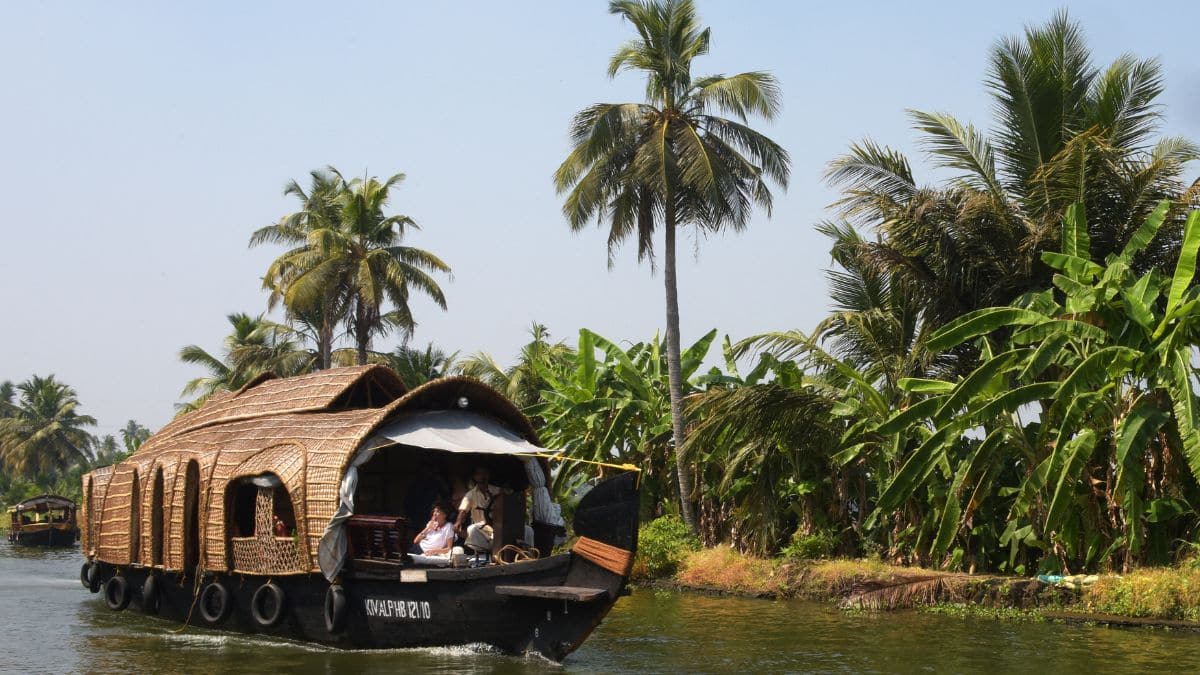
Kerala Renamed to Keralam: Implications for Federal Naming Rights
The Union Cabinet's approval to rename Kerala as 'Keralam' has reignited debates over state naming conventions across India, with West Bengal Chief Minister Mamata Banerjee renewing calls to rename her state 'Bangla'.
Constitutional Process for State Renaming
The Kerala Assembly unanimously passed a resolution in June 2024, requesting the Centre modify the southern state's name to align with its Malayalam nomenclature. The 2024 resolution highlighted that while the state is known as Keralam in Malayalam, the Constitution's First Schedule refers to it as Kerala.
Article 3 of the Indian Constitution empowers Parliament to alter state names through a structured process. After a state assembly passes a renaming resolution, it proceeds to the Ministry of Home Affairs, which examines the request and seeks clearances from various departments including Railways, Intelligence Bureau, and Survey of India.
Parliamentary approval requires a simple majority in both Houses, following presidential recommendation. Crucially, while the President must refer the bill to the affected state's legislature for consultation, the state's opinion remains non-binding.
Historical Context of Kerala's Formation
Kerala's current boundaries emerged from the 1956 linguistic reorganisation of states. The United State of Travancore and Cochin, formed in 1949 through merger of two princely states, was expanded in 1956 with additions from Madras state's Malabar Coast and South Kanara's Kasargod taluka.
The name 'Kerala' traces back to 3rd century BCE Mauryan inscriptions referencing 'Keralaputra', meaning 'son of Kerala' in Sanskrit. German scholar Herman Gundert suggested 'keram' derives from the Kannada version of 'cheram', referring to the region between Gokarnam and Kanyakumari.
West Bengal's Persistent Campaign
Chief Minister Banerjee has consistently advocated for renaming West Bengal since assuming office in 2011. Initially proposing 'Paschim Banga' or 'Paschim Bango', she later shifted to 'Bangla' in 2024, citing practical considerations including alphabetical ordering in official proceedings and international competitions.
However, the Centre has repeatedly rejected these proposals. Government sources indicate concerns about potential confusion with Bangladesh in international contexts. The Ministry of External Affairs flagged similar concerns when rejecting a 2018 proposal.
Banerjee has criticised what she terms the Centre's 'anti-Bengali stance', arguing that Pakistan's Punjab province coexists with India's Punjab state without confusion, questioning why similar logic cannot apply to Bangla and Bangladesh.
Implications for Federal Relations
The Kerala approval while maintaining West Bengal's rejection highlights the discretionary nature of state renaming decisions. The process, while constitutionally defined, involves significant political considerations including international relations, administrative complexity, and federal government priorities.
This development underscores ongoing tensions between state identity aspirations and federal oversight, particularly relevant as India navigates linguistic diversity within its constitutional framework.