
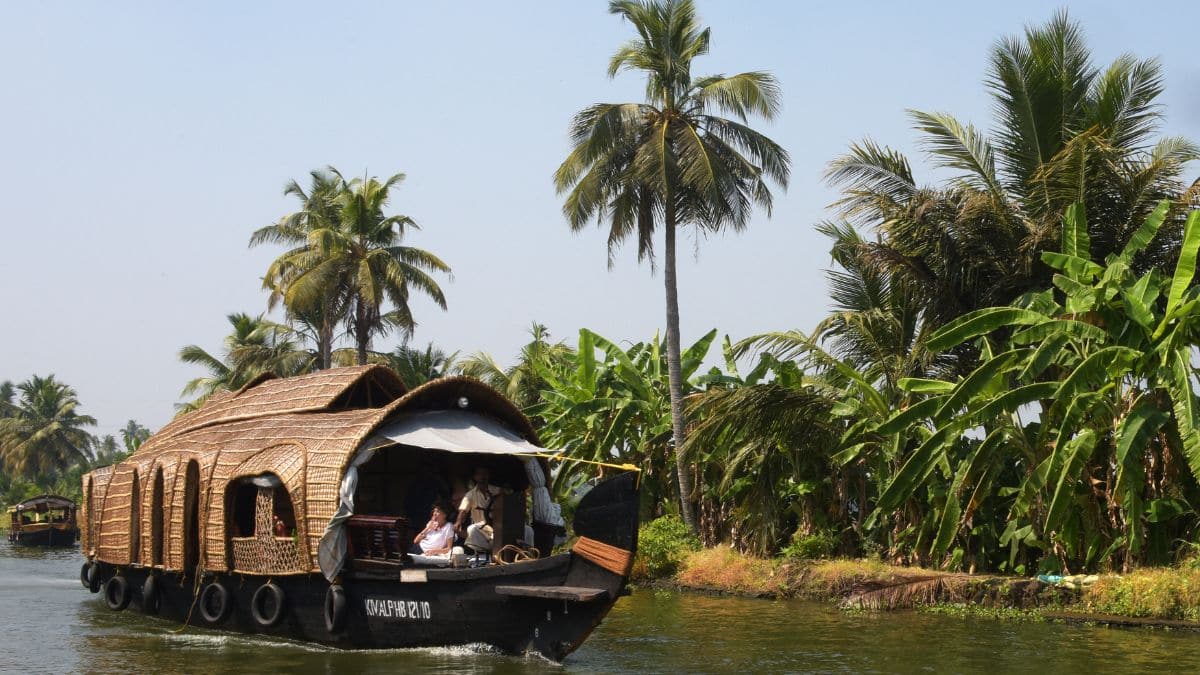
India's State Renaming Process Under Scrutiny as Kerala Becomes Keralam
The Union Cabinet's approval of Kerala's request to rename itself 'Keralam' has reignited debate over India's state nomenclature procedures, with West Bengal Chief Minister Mamata Banerjee renewing calls for her state to be renamed 'Bangla'.
Constitutional Framework for State Renaming
The process of changing a state's name in India follows a structured constitutional pathway. After a state assembly passes a resolution requesting a name change, the proposal moves to the Ministry of Home Affairs for examination. The ministry then seeks No Objection Certificates from various departments including Railways, Intelligence Bureau, and Survey of India.
Parliamentary approval remains essential under Article 3 of the Constitution, which empowers Parliament to alter any state's name. The Union government must draft legislation, which can only be introduced on the President's recommendation. The President refers the bill to the affected state's legislature for views, though their opinion is not binding.
A simple majority in both houses of Parliament suffices for passage, after which the President's assent makes the change official through amendments to the Constitution's First and Fourth Schedules.
Kerala's Successful Campaign
Kerala's Assembly unanimously passed resolutions in both 2023 and 2024 seeking the name change to reflect the Malayalam pronunciation 'Keralam'. The state argued that while Malayalam speakers use 'Keralam', the Constitution lists 'Kerala' in its First Schedule.
The name's origins trace back to the 3rd century BCE, with Mauryan emperor Ashoka's inscriptions referencing 'Keralaputra'. Historical theories suggest connections to the Chera dynasty and various linguistic interpretations linking to regional geography.
West Bengal's Ongoing Struggle
Banerjee has pursued state renaming since assuming office in 2011, initially proposing 'Paschim Banga' before settling on 'Bangla'. She argues practical concerns, noting that alphabetical ordering disadvantages West Bengal in official proceedings and competitions.
However, the Centre has consistently rejected these proposals. Government sources cite potential international confusion with Bangladesh as a primary concern. The Ministry of External Affairs flagged similar concerns when rejecting a 2018 proposal.
Banerjee has criticised what she terms the Centre's 'anti-Bengali stance', alleging political double standards in approving Kerala's request while rejecting Bengal's.
Regional Implications
The selective approval of state renaming requests highlights tensions between federal and state governments in India's federal structure. While states seek to assert cultural and linguistic identity through nomenclature, central authorities must balance regional aspirations with broader administrative and diplomatic considerations.
The precedent set by Kerala's successful campaign may encourage other states to pursue similar changes, potentially creating administrative complexities while satisfying regional cultural sensitivities.
This development reflects broader questions about federalism, cultural identity, and administrative efficiency in India's diverse democratic framework.