
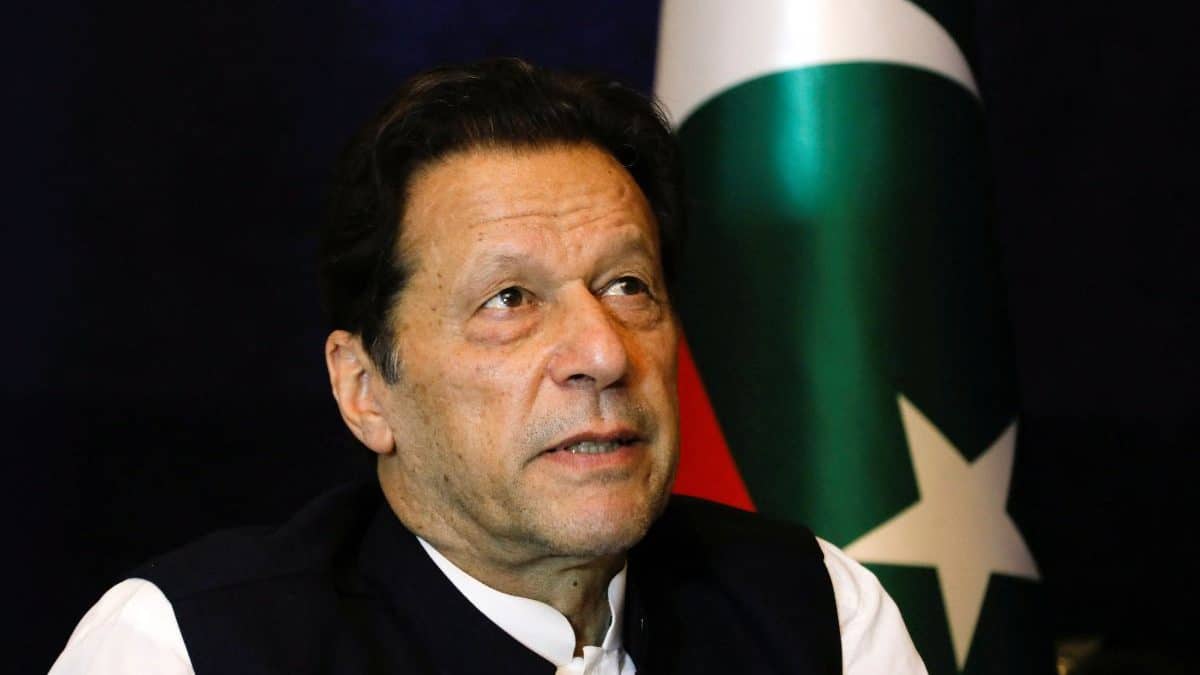
Cricket legends' appeal for Imran Khan creates diplomatic complexities
Fourteen former cricket captains from across the Commonwealth have written to Pakistan Prime Minister Shehbaz Sharif expressing concern about imprisoned former Pakistani leader Imran Khan's medical condition, creating potential diplomatic complications for the region.
The signatories include prominent figures from Australia, England, New Zealand, the West Indies and India, notably Sunil Gavaskar and Kapil Dev. Their letter, ostensibly humanitarian in nature, carries significant political undertones that could impact regional diplomatic relations.
Strategic silence from Pakistan
Pakistan's uncharacteristic silence on the matter appears calculated, coinciding with Prime Minister Sharif's participation in the inaugural Board of Peace meeting in Washington on February 19. Field Marshal Asim Munir is reportedly part of the delegation, highlighting Pakistan's focus on strengthening US relations under President Trump's administration.
This diplomatic restraint represents a departure from Pakistan's traditional approach of swift responses to perceived provocations. The timing suggests Pakistani authorities are prioritising their Washington engagement over domestic political controversies.
Political dimensions of the appeal
Former England captain Mike Atherton revealed that the initiative originated from Australia through Greg Chappell, aiming to raise international awareness of Khan's situation. However, the letter extends beyond humanitarian concerns, acknowledging Khan's role as a democratically elected Prime Minister and calling for treatment befitting a former national leader.
The captains' demands include immediate medical attention from specialists of Khan's choosing, humane detention conditions meeting international standards, and transparent legal processes. These requests mirror demands made by Khan's Pakistan Tehreek-e-Insaf party and family members.
Implications for India
The letter presents potential diplomatic challenges for India, particularly given the participation of Indian cricket legends Gavaskar and Kapil Dev. Pakistan could leverage the appeal to criticise India's cricket diplomacy, specifically the decision to limit courtesies between Indian and Pakistani players following security concerns.
The letter's emphasis on cricket as "a bridge between nations" and the notion that "rivalry ends when the stumps are drawn" may be used to pressure India on its current cricket policy towards Pakistan. This could create divisions among the fourteen signatories and complicate India's position.
Khan's legal situation
Imran Khan has been imprisoned since May 2023 on corruption charges related to the Al Qadir Trust case. Despite winning the largest number of seats in the 2024 elections through independent candidates, his party was prevented from forming government through military and judicial intervention.
Field Marshal Munir's determination to keep Khan imprisoned appears absolute, with multiple convictions ensuring lengthy sentences. The Supreme Court's medical examination reportedly found Khan's vision largely normal, contradicting claims of serious health deterioration.
Regional diplomatic considerations
The cricket captains' intervention, while well-intentioned, highlights the complex intersection of sports, politics and diplomacy in South Asian relations. For Australia and other Commonwealth nations, the situation underscores the challenges of balancing humanitarian concerns with regional diplomatic stability.
The appeal's political nature, despite claims of sporting solidarity, demonstrates how cricket continues to serve as a vehicle for broader regional tensions. The outcome may influence future sports diplomacy initiatives across the Commonwealth.
As Pakistan prioritises its international relationships and domestic political control, the cricket legends' appeal appears unlikely to achieve its stated objectives, potentially serving instead as another flashpoint in the region's complex diplomatic landscape.