
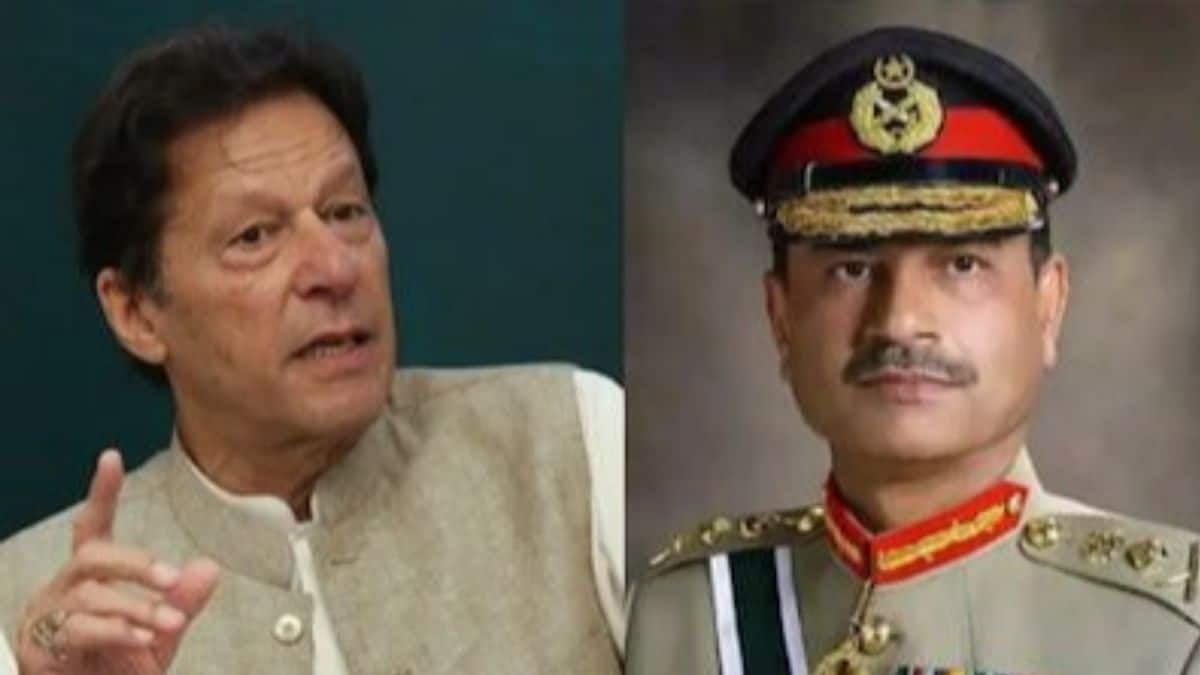
Pakistan presents a compelling study in contradictions. Despite facing mounting internal challenges, including economic collapse, political instability, and regional unrest, the nation has managed to strengthen key international partnerships and maintain strategic relevance on the global stage.
Economic Pressures Mount
The country's financial situation remains dire, with total debt reaching $286 billion against a national budget of approximately $70 billion. External debt alone accounts for $92 billion, requiring $23-25 billion annually for debt servicing.
Prime Minister Shehbaz Sharif recently acknowledged the nation's predicament, stating his government feels ashamed when seeking international financial assistance. The UAE has demanded repayment of a $3 billion loan by mid-April, potentially forcing Pakistan to secure additional borrowing.
Political Instability and Human Rights Concerns
Former Prime Minister Imran Khan remains incarcerated since August 2023, with recent reports suggesting deteriorating health conditions, including vision problems. His continued detention has drawn limited international attention, reflecting Pakistan's peripheral status in global affairs.
The situation has been complicated by ongoing tensions in western provinces, particularly Balochistan, which witnessed 254 attacks in 2025, representing a 26 per cent increase from the previous year. These incidents highlight growing regional autonomy movements and structural deficiencies within Pakistan's security apparatus.
Strategic Diplomatic Manoeuvring
Despite domestic challenges, Pakistan has successfully cultivated relationships with major powers. The country has secured a $1.25 billion loan from the US Export-Import Bank for the Reqo Din mining project, leveraging rare earth mineral deposits in Balochistan.
Additionally, Pakistan has signed a mutual security agreement with Saudi Arabia, expanding its influence in West Asian affairs. The nation has also aligned itself with various US initiatives, including joining what it terms the 'Board of Peace' and offering support for international peacekeeping efforts.
Regional Security Challenges
The Balochistan Liberation Army's evolving tactics, shifting from guerrilla operations to territorial control attempts, demonstrate increasing confidence among separatist groups. Recent incidents have shown local populations supporting these movements rather than government forces, indicating broader alienation from central authority.
Pakistan's response has focused on military solutions rather than addressing underlying grievances, a strategy that has shown limited effectiveness in resolving regional tensions.
International Relations and Narrative Management
Pakistan has demonstrated considerable skill in international narrative management, successfully maintaining relationships with diverse global partners despite internal instability. The country has managed to secure continued International Monetary Fund support while avoiding significant international criticism of its domestic policies.
This diplomatic success contrasts sharply with the nation's internal challenges, suggesting sophisticated external engagement strategies that have helped Pakistan maintain international relevance despite structural weaknesses.
Looking Forward
Pakistan's ability to balance severe domestic challenges with strategic international partnerships raises questions about long-term sustainability. While the country has shown remarkable resilience in maintaining global relationships, underlying economic and political pressures continue to mount.
The nation's experience offers insights into how smaller states can leverage strategic positioning and diplomatic skill to maintain international relevance despite significant internal challenges. However, the sustainability of this approach remains uncertain given the scale of domestic pressures facing the country.