
Pakistan presents a fascinating case study in political survival, maintaining international relevance despite mounting domestic crises. The nation faces significant challenges including economic instability, regional unrest, and political tensions, yet continues to secure strategic partnerships with major powers.
Economic Challenges and International Dependency
Prime Minister Shehbaz Sharif recently acknowledged the nation's difficult financial position, stating that he and military leadership feel compelled to seek international assistance. Pakistan currently faces a total debt burden of $286 billion, with external debt comprising $92 billion. The nation's annual budget of approximately $70 billion requires $23-25 billion solely for debt servicing.
Despite these constraints, Pakistan has secured significant agreements, including a $1.25 billion loan from the US Export-Import Bank for the Reqo Din mining project, which involves rare earth mineral extraction from Balochistan.
Political Instability and Leadership Challenges
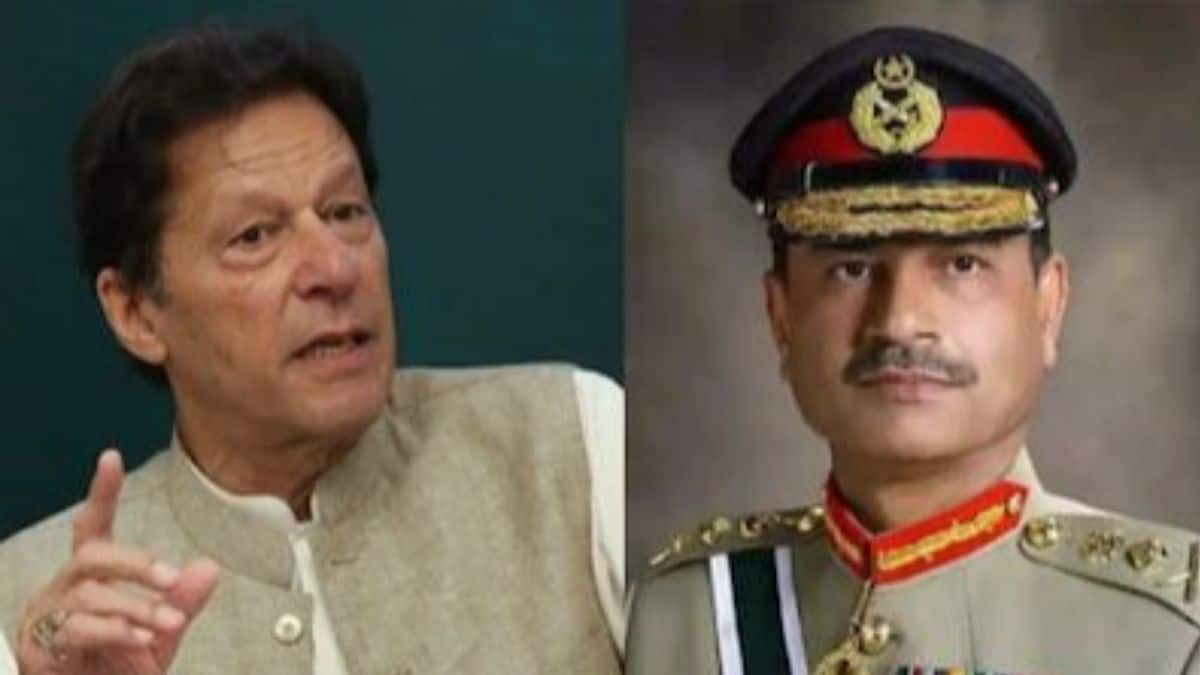
Former Prime Minister Imran Khan remains incarcerated since August 2023, with recent reports indicating deteriorating health conditions including vision problems. Khan, who leads the Pakistan Tehreek-e-Insaf party, remains a significant political figure despite his imprisonment on various charges.
The military establishment, led by Chief of Army Staff General Asim Munir, maintains considerable influence over national policy direction, effectively managing foreign relations and economic negotiations alongside civilian leadership.
Regional Security Concerns
Pakistan faces ongoing security challenges in its western provinces, particularly Balochistan and Khyber Pakhtunkhwa. Balochistan experienced 254 attacks in 2025, representing a 26 per cent increase from the previous year. The Baloch Liberation Army has shifted tactics from guerrilla operations to more sustained territorial control attempts.
These security challenges have implications for the China-Pakistan Economic Corridor, with infrastructure projects and Chinese personnel becoming targets of regional militant groups.
Strategic Diplomatic Positioning
Despite internal challenges, Pakistan has successfully maintained strategic relationships with key international partners. The nation has strengthened ties with the United States under the Trump administration and secured a mutual defence agreement with Saudi Arabia, expanding its influence in West Asian affairs.
Pakistan's approach to international relations demonstrates pragmatic diplomacy, leveraging its geopolitical position to maintain relevance despite domestic instability. The nation has joined various international initiatives, including peace-building efforts in Gaza and participation in multilateral frameworks.
Regional Dynamics and Future Outlook
Pakistan's relationship with neighbouring countries remains complex, with ongoing tensions affecting regional stability. The nation's ability to balance relationships with major powers while managing domestic challenges reflects sophisticated diplomatic strategy.
The case of Pakistan illustrates how nations can maintain international standing through strategic positioning, even when facing significant internal pressures. This approach offers insights into contemporary diplomatic practices and the intersection of domestic governance with international relations.
For Australia and other regional democracies, Pakistan's situation highlights the importance of stable governance structures and the challenges faced by nations attempting to balance military influence with civilian democratic institutions.