
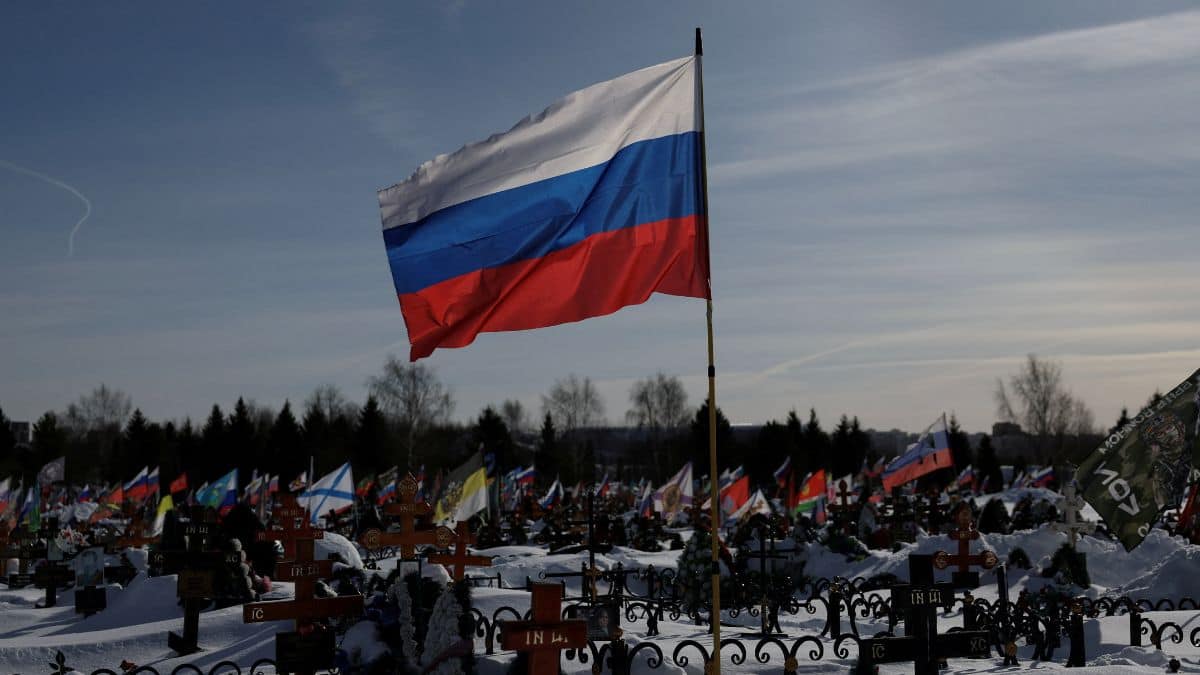
Four years after President Vladimir Putin ordered Russian forces into Ukraine, Europe remains engulfed in its most destructive conflict since World War II. As the war formally entered its fifth year on 24 February 2026, prospects for a comprehensive ceasefire and lasting political settlement remain distant.
The human toll has been staggering. Tens of thousands of civilians have been killed or wounded, millions displaced, and military casualties on both sides have reached levels unseen in European warfare for decades. Recent assessments suggest combined military casualties may exceed 1.8 million, with Russia bearing the heaviest losses.
Diplomatic Efforts Show Limited Progress
The United States has spent the past year attempting to facilitate direct dialogue between Russian and Ukrainian representatives. The Trump administration has hosted multiple rounds of contact, including meetings in Abu Dhabi and Geneva talks on 17-18 February.
American officials report Moscow has indicated willingness to explore an agreement, with Russian representatives conveying openness to a deal through US presidential envoy Steve Witkoff. However, these diplomatic gestures have occurred alongside continued Russian missile and drone attacks on Ukrainian cities, leaving civilians without reliable electricity, water and heating during winter months.
The Geneva meeting concluded after just two hours, highlighting the deep divisions that persist. Critics argue Russia is using negotiations to consolidate territorial gains while maintaining military pressure.
Fundamental Disagreements Persist
For Ukraine, the primary objective is halting active combat, but the question remains what concessions Kyiv might be forced to make. Ukrainian officials maintain territorial outcomes should be determined by force positions when fighting stops, not Moscow's preconditions.
Russia insists Ukrainian forces must withdraw from the Donbas region before agreeing to full-scale peace negotiations. Given Ukraine's domestic political realities and four years of sacrifice, such demands remain unacceptable to Kyiv.
Beyond territorial claims, Russia's objectives extend to Ukraine's internal political orientation. The Kremlin seeks to reshape Ukraine into a state aligned with Russian interests, including political conditions aimed at curbing Ukrainian nationalism and securing recognition for Russian language and Orthodox Church influence.
Moscow also demands sweeping security concessions: sharp reductions in Ukraine's armed forces, termination of military cooperation with NATO countries, and prohibitions on Western military infrastructure deployment.
Zelenskyy Rejects Capitulation
Ukrainian President Volodymyr Zelenskyy has acknowledged immense societal fatigue after nearly four years of warfare but rejected any settlement amounting to surrendering sovereignty.
"We can't just give him everything he wants. Because he wants to occupy us," Zelenskyy told CNN, marking the fourth anniversary. "If we give him all he wants, we will lose everything, all of us, people will have to run away or be Russian."
While indicating Kyiv could consider freezing combat along existing front lines temporarily, he firmly rejected proposals requiring Ukrainian withdrawal from currently held eastern Donetsk territory.
"Russia wants us just to withdraw our army. We can't be such foolish guys," he said, highlighting civilian consequences of territorial concessions affecting 200,000 residents.
Shifting Military and Economic Balance
The war's military and economic dynamics have evolved significantly. Foreign military assistance to Ukraine declined 13 per cent in 2025 compared to the 2022-2024 average, following policy changes in Washington after the Trump administration halted US-funded weapons transfers.
European governments have attempted compensation, with military aid from European countries rising 67 per cent last year. However, overall foreign humanitarian and financial assistance fell five per cent.
Russia increasingly feels cumulative Western sanctions effects, with growing economic strain despite continued resource allocation for weapons production. Ukraine faces severe pressure on energy infrastructure, repeatedly targeted by Russian strikes.
Staggering Human Cost
According to the Center for Strategic and International Studies, Russia suffered approximately 1.2 million military casualties, including up to 325,000 fatalities, described as the highest troop deaths for any major power in a single conflict since World War II.
Ukraine has suffered an estimated 500,000 to 600,000 military casualties, including up to 140,000 deaths. Zelenskyy stated 55,000 Ukrainian troops have been killed, noting many remain unaccounted for.
Civilian casualties continue rising. The UN Human Rights Monitoring Mission recorded 14,999 civilian deaths since the invasion began, with over 40,600 injured. In 2025 alone, 2,514 civilians were killed and 12,142 wounded, representing a 31 per cent increase from 2024.
The displacement crisis remains massive, with approximately 5.9 million Ukrainians having fled the country and 3.7 million internally displaced from a pre-war population exceeding 40 million.
Limited Territorial Gains Despite Enormous Costs
Despite enormous losses, territorial control has shifted marginally. Russia currently occupies about 19.4 per cent of Ukraine's territory, expanding by just 0.79 per cent over the past year, illustrating the grinding nature of the conflict.
Prior to February 2022, Russia controlled nearly seven per cent of Ukraine, including Crimea and parts of Donetsk and Luhansk regions.
As the war enters its fifth year, these conditions fuel expectations that 2026 could mark a turning point, though fundamental disagreements between the parties suggest any sustainable peace remains distant without significant compromise from all sides.