
Ukraine-Russia Peace Prospects Remain Elusive After Four Years of Devastating Conflict
Four years after Russian President Vladimir Putin ordered forces into Ukraine, Europe remains engulfed in its most destructive conflict since World War II. As the war formally entered its fifth year on 24 February 2026, comprehensive peace remains elusive despite renewed diplomatic efforts.
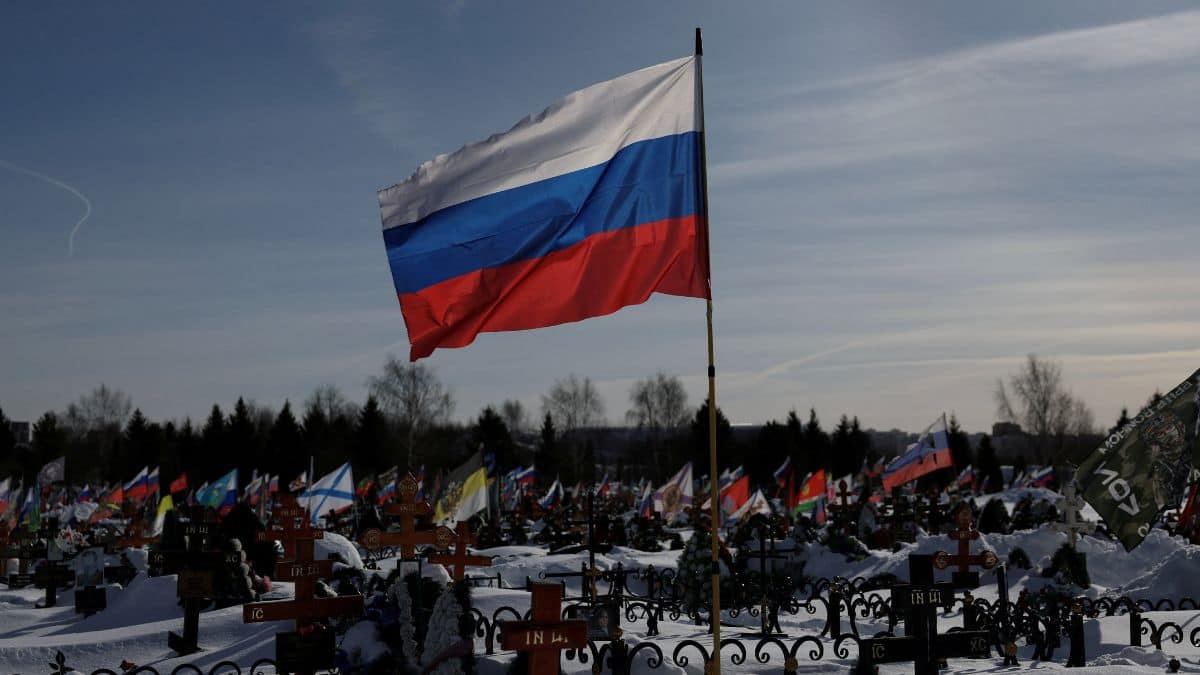
The conflict has exacted an unprecedented toll, with tens of thousands of civilians killed or wounded and millions displaced. Both militaries have suffered casualties on a scale not witnessed in European warfare for decades, raising urgent questions about sustainable pathways to resolution.
Diplomatic Efforts Show Limited Progress
The United States has spent the past year attempting to facilitate direct dialogue between Russian and Ukrainian representatives. The Trump administration has hosted multiple rounds of contact, including meetings in Abu Dhabi and follow-up talks in Geneva on 17-18 February.
American officials report that Moscow has indicated willingness to explore an agreement, with Russian representatives conveying openness to a deal through US negotiators, including presidential envoy Steve Witkoff. However, these diplomatic gestures have unfolded alongside continued Russian missile and drone attacks on Ukrainian cities.
The Geneva meeting concluded after only two hours, highlighting the substantial challenges facing negotiators. Critics argue that Russia is using negotiations to gain time while consolidating territorial advances in eastern Ukraine.
Fundamental Disagreements Persist
For Kyiv, the primary objective is halting active combat. Ukrainian officials maintain that territorial outcomes should be determined by force positions when fighting stops, rather than by Moscow's preconditions.
Russia, conversely, insists Ukrainian forces withdraw from the Donbas region before agreeing to full-scale peace negotiations. Given domestic political realities in Ukraine and heavy sacrifices over four years of fighting, such demands remain unacceptable to Kyiv.
Beyond territorial claims, Russia's stated objectives extend to Ukraine's internal political orientation. The Kremlin seeks to reshape Ukraine into a state aligned with Russian interests, including political conditions curbing Ukrainian nationalism and securing recognition for the Russian language.
Staggering Human Cost
According to the Center for Strategic and International Studies, combined military casualties on both sides may reach 1.8 million. The report estimates Russia suffered approximately 1.2 million military casualties between February 2022 and December 2025, including up to 325,000 fatalities.
Ukraine has reportedly suffered between 500,000 and 600,000 military casualties, including up to 140,000 deaths. Ukrainian President Volodymyr Zelenskyy stated earlier this month that 55,000 Ukrainian troops have been killed, while many remain unaccounted for.
The United Nations has recorded 14,999 civilian deaths since Russia's full-scale invasion began, with more than 40,600 civilians injured. At least 763 children have been killed, according to UN monitoring.
Territorial Gains Minimal Despite Massive Losses
Russia currently occupies approximately 19.4 per cent of Ukraine's territory, according to the Institute for the Study of War. Over the past year, Russian forces expanded their footprint by just 0.79 per cent of Ukrainian land, illustrating the grinding nature of the conflict.
The war has triggered one of Europe's largest displacement crises since World War II. Approximately 5.9 million Ukrainians have fled the country, with 5.3 million finding refuge elsewhere in Europe. A further 3.7 million people have been displaced within Ukraine's borders.
Shifting International Support
Foreign military assistance to Ukraine declined by 13 per cent in 2025, according to Germany's Kiel Institute. This reduction followed policy changes in Washington, where the Trump administration halted US-funded weapons transfers after taking office.
European governments have attempted to compensate, with military aid from European countries rising by 67 per cent last year. However, overall foreign humanitarian and financial assistance fell by five per cent compared with the previous three-year average.
Zelenskyy Rejects Capitulation
In a recent CNN interview marking the fourth anniversary, President Zelenskyy described the conflict as an existential struggle for Ukraine's survival. He rejected any settlement amounting to surrendering sovereignty or future independence.
"We can't just give him everything he wants. Because he wants to occupy us. If we give him all he wants, we will lose everything," Zelenskyy stated, emphasising the civilian consequences of territorial concessions.
While indicating Kyiv could consider freezing active combat along existing front lines as a temporary measure, he firmly rejected proposals requiring Ukrainian forces to abandon currently held territory in eastern Donetsk.
Australia's Regional Perspective
The prolonged conflict continues to reshape global security architecture, with implications extending beyond Europe. Australia's commitment to democratic values and multilateral institutions aligns with supporting Ukraine's sovereignty while seeking sustainable diplomatic solutions.
The war's duration and intensity underscore the importance of international law and collective security mechanisms in addressing territorial aggression. As diplomatic efforts continue, the international community faces the challenge of balancing immediate humanitarian concerns with long-term stability requirements.
Whether 2026 will mark a turning point toward peace remains uncertain, with fundamental disagreements between the parties showing little sign of resolution despite mounting human and economic costs.