
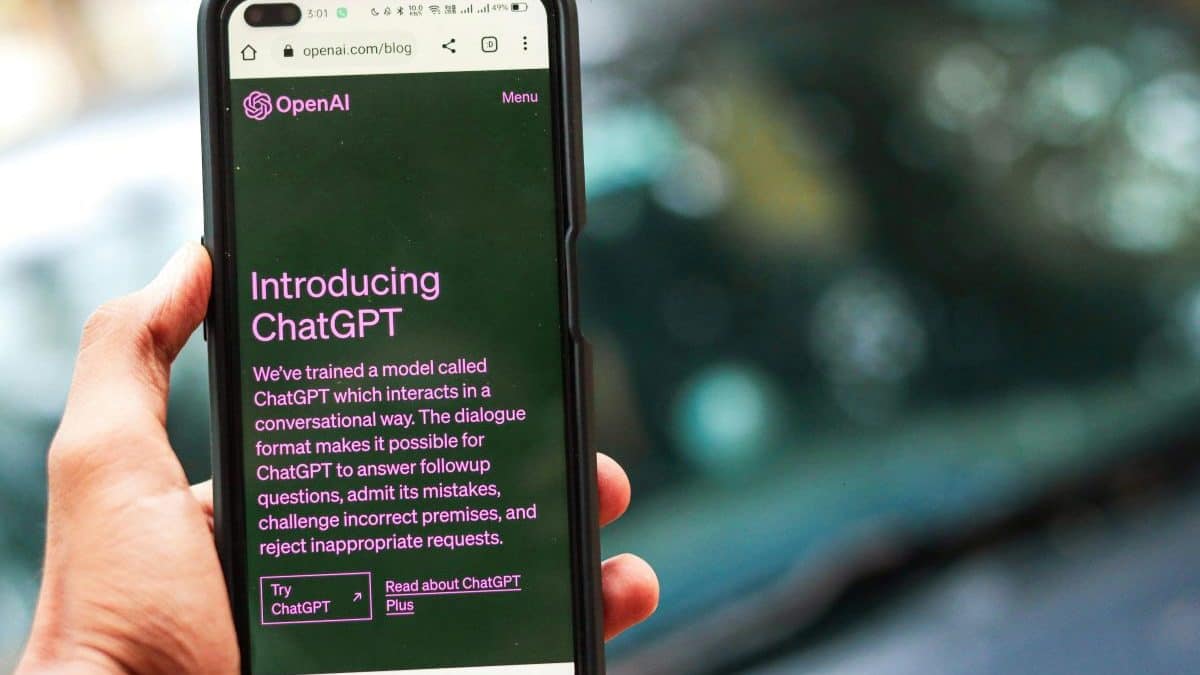
As artificial intelligence becomes increasingly integrated into daily life, a new social phenomenon is emerging: the growing discomfort some Australians feel about their partners' reliance on AI tools like ChatGPT for personal matters.
The debate reflects broader questions about human agency, emotional intelligence, and the appropriate boundaries for AI assistance in intimate relationships.
Mixed Reactions to AI Dependency
Research suggests attitudes towards AI use in relationships vary significantly. Pallavi Mandal, a 31-year-old professional, represents one perspective: she views AI as a useful tool for building confidence and solving practical problems. Her partner, a technology consultant, uses specialised AI software for data analysis at work.
"I think as long as you are using it for pragmatic reasons, it is a relatively good tool," Mandal explains, though she admits she would develop "a slight distaste" if her partner used AI for routine daily tasks.
Others express stronger reservations. One respondent, who wished to remain anonymous, described consistent AI reliance as intellectually lazy. "I feel like if they consistently use AI, they're intellectually lazy. I also simply don't think we are supposed to move that fast," she said.
Research Reveals Complex Dynamics
The Match/Kinsey Institute "Singles in America" study found that while 43 per cent of AI-using singles employ it to write dating profiles, nearly 50 per cent consider AI-altered images a "hard line." Additionally, 39 per cent would oppose a partner using AI to maintain regular conversations.
Paradoxically, separate research comparing relationship advice from ChatGPT against human experts found participants rated AI-generated advice as more helpful and empathetic, attributed to the technology's neutral tone and lack of judgmental responses.
However, studies from the University of Cambridge and Hebrew University suggest an "empathy gap" develops over time, with users becoming disillusioned as they realise AI interactions lack genuine moral agency, potentially leading to greater isolation.
Professional Concerns
Mental health professionals express caution about AI's role in personal decision-making. Therapist Priyadeep Datta warns against using AI for major life decisions, noting that "it is, after all, a bot, unable to fully comprehend the meaning of what it is to be human."
The concern extends beyond individual relationships to broader societal implications. As one observer noted, "We are essentially the test subjects for a generative AI experiment, a technology unleashed without the friction of safeguards or the weight of regulation."
Regulatory and Social Implications
The phenomenon highlights the need for clearer guidelines around AI integration in personal relationships and social interactions. As Australia continues to develop its AI governance framework, these intimate applications of technology present unique challenges for policymakers.
The debate also reflects broader questions about digital literacy, emotional intelligence, and the preservation of human agency in an increasingly automated world. Rather than simply accepting or rejecting AI wholesale, Australians are navigating complex decisions about when and how to integrate these tools into their most personal relationships.
As AI technology continues to evolve, so too will the social norms and expectations surrounding its use in intimate relationships, requiring ongoing dialogue between technologists, policymakers, and the broader community.