
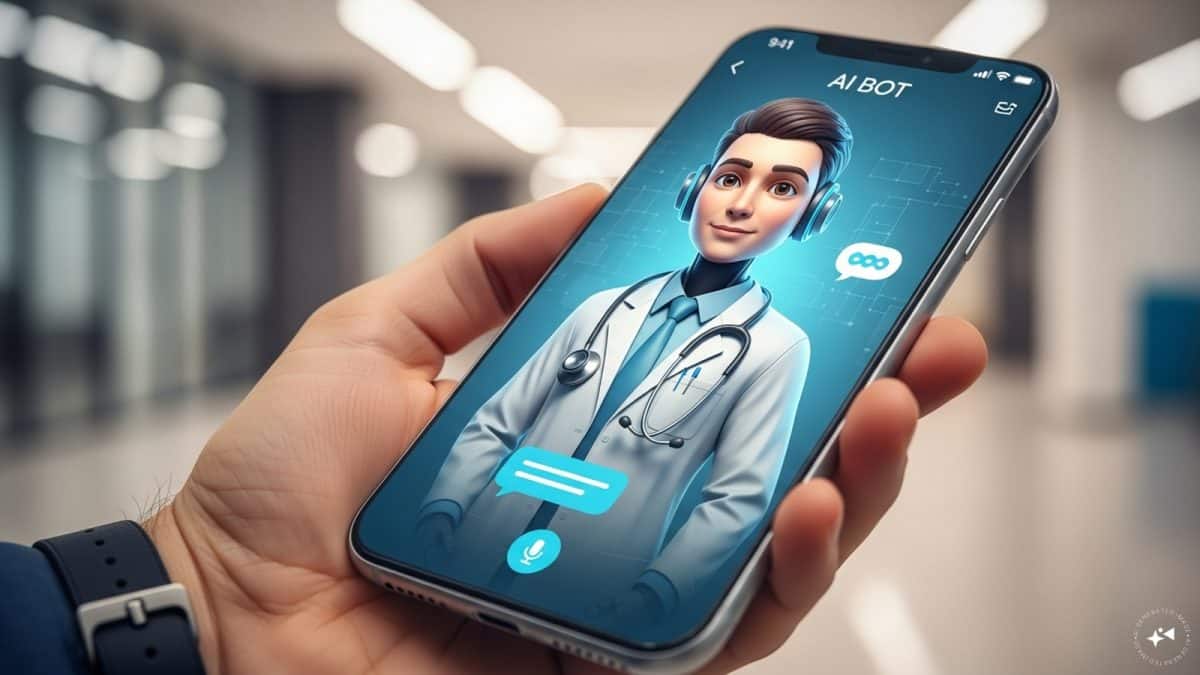
The opening weeks of 2026 have marked a decisive shift as artificial intelligence companies accelerate their push into healthcare, with major platforms from OpenAI, Google, and Anthropic launching medical-focused capabilities. However, recent incidents highlight the critical need for regulatory oversight and professional medical guidance.
Australian Case Highlights Risks
The promise of AI-powered healthcare took a troubling turn recently when a 60-year-old Australian man was hospitalised after following alleged medical advice from ChatGPT. According to reports from The Guardian, the man consumed sodium bromide daily as a salt substitute after the AI chatbot reportedly suggested it could address his sodium intake concerns.
The consumption led to bromism, a rare condition causing confusion, hallucinations, and coordination problems. The man arrived at an emergency department convinced his neighbour was attempting to poison him, later developing severe symptoms requiring immediate medical intervention.
Medical Expert Calls for Limitations
Dr Ishwar Gilada, an infectious disease specialist, emphasises the need for clear boundaries in AI healthcare applications. "AI chatbots in healthcare are acceptable, but only with strict limitations," he explains. "People tend to forget where to stop and attempt to diagnose every health issue at home with AI assistance."
Dr Gilada advocates for programming AI tools to redirect users to professional medical care rather than providing complex medical advice. "Rather than answering complex queries, the algorithm should simply inform users to consult a doctor," he suggests.
Industry Developments
OpenAI has launched ChatGPT Health, designed to integrate securely with health and fitness applications including Apple Health and MyFitnessPal. The company states that medical-related questions rank among the chatbot's most frequent uses, with users regularly uploading test reports and medical scans.
Google's MedGamma 1.5 represents another significant advancement, offering enhanced medical imaging capabilities. The system can process various imaging types, from CT and MRI scans to histopathology slides, while interpreting chest X-ray time series and extracting structured data from laboratory reports.
Professional Oversight Essential
Medical experts stress that while these tools may improve healthcare data accessibility, they cannot replace clinical expertise. AI models analyse patterns and generate predictions but lack the insight and experience of trained clinicians.
The rapid deployment of AI healthcare tools underscores the need for robust regulatory frameworks and clear guidelines to ensure patient safety while harnessing the technology's potential benefits. As Australia continues to develop its digital health infrastructure, balancing innovation with medical oversight remains paramount.