
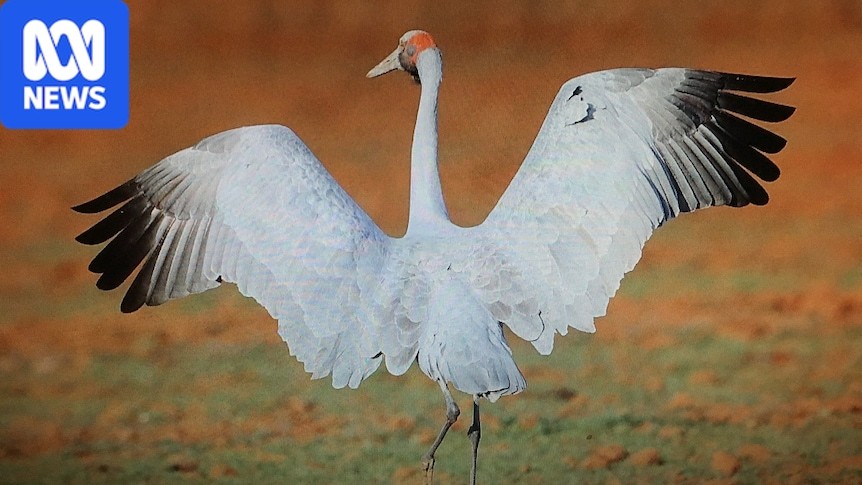
Declining wetlands are driving a genetic rift in south-eastern Australia's vulnerable brolga population, a new study warns, even as restoration projects show the species can recover when habitats are revived.
The brolga, a crane standing up to 1.5 metres tall with a wingspan of 2.5 metres, is known for lifelong pair bonds and an elaborate mating dance. While northern Australian populations remain stable, Victoria's brolgas are listed as endangered, with as few as 1,000 birds left in the state.
What did the Macquarie University study find?
Researchers at Macquarie University analysed the genetic makeup of brolgas across the country and confirmed that northern and southern populations have become genetically distinct. More concerning, they found very little genetic variation among individual birds in Victoria, a sign that the population is increasingly vulnerable to future environmental shocks.
Lead researcher Abby Bryce explained the risk: 'One individual could have that genetic makeup that's really good for surviving an extreme event, and can help that population to survive. If there's less of those individuals and less of that genetic diversity, there's not as much of that diversity to have one or two that could give that slight edge for that population down the line.'
Why are brolgas in southern Australia declining?
The reduction of wetland habitat for breeding and feeding is the main driver of declining numbers in Victoria and south-east South Australia. Loss of wetlands also means the birds roam across a smaller area, which exacerbates the genetic problems.
'All of these factors, wetland loss, degradation and climate change are all playing a factor and limiting the habitats and conditions brolgas are having to live with,' Ms Bryce said.
Brolgas as 'physical protectors' for Gunditjmara people
Brolgas hold deep cultural significance for the Gunditjmara people of south-west Victoria. Damein Bell, a Gunditjmara man from the Gunditj Mirring Traditional Owners Aboriginal Corporation, said the bird, known as kurout in the Gunditjmara language, is a totem for his ancestors.
'They're such a protector of their own family. There's a series of pretty well-known photographs of brolgas protecting their nests from swans and from foxes, a very physical protector.'
Brolgas were once widespread across swampy wetlands, but land drainage for farming has driven their decline. Mr Bell said the birds are an important indicator of country health on Gunditjmara land.
Wetland restoration shows promise
Despite the grim outlook, restoration efforts are showing real results. Gunditj Mirring has led water restoration projects at Tae Rak (Lake Condah), where brolgas have returned to a site used by Gunditjmara people for centuries.
'The landscape has been changed so much that it is expected that our rare and threatened species are not going to be doing so well,' said Evelyn Nicholson, manager of the Budj Bim Indigenous Protection Area. 'But what is within our power to do, we will do to support them.'
The Nature Glenelg Trust, involved in wetland restoration across south-east SA and south-west Victoria, has recorded up to 250 brolgas flocking at Green Swamp in the Southern Grampians region at one time.
Director Mark Bachmann said the birds are finding restored wetlands. 'Whenever we restore a wetland that may have been drained historically and if it has the right attributes for brolga to utilise, then the birds find those wetlands.'
Mr Bachmann added that each wetland restored 'to the way it was' makes a difference. 'We can make sure that they're here for our kids and our grandkids to continue to enjoy and see in the landscape.'
Frequently asked questions about brolga conservation
Why are brolgas endangered in Victoria?
Wetland loss, habitat degradation and climate change have reduced breeding and feeding grounds, leading to a population of around 1,000 birds in the state.
What is being done to help brolgas?
Wetland restoration projects in south-west Victoria and south-east South Australia, led by groups like Gunditj Mirring and the Nature Glenelg Trust, are restoring habitats and brolgas are returning to these sites.
How does genetic diversity affect brolga survival?
Low genetic variation means the population has fewer traits to adapt to extreme events, making it more vulnerable to future environmental changes.