
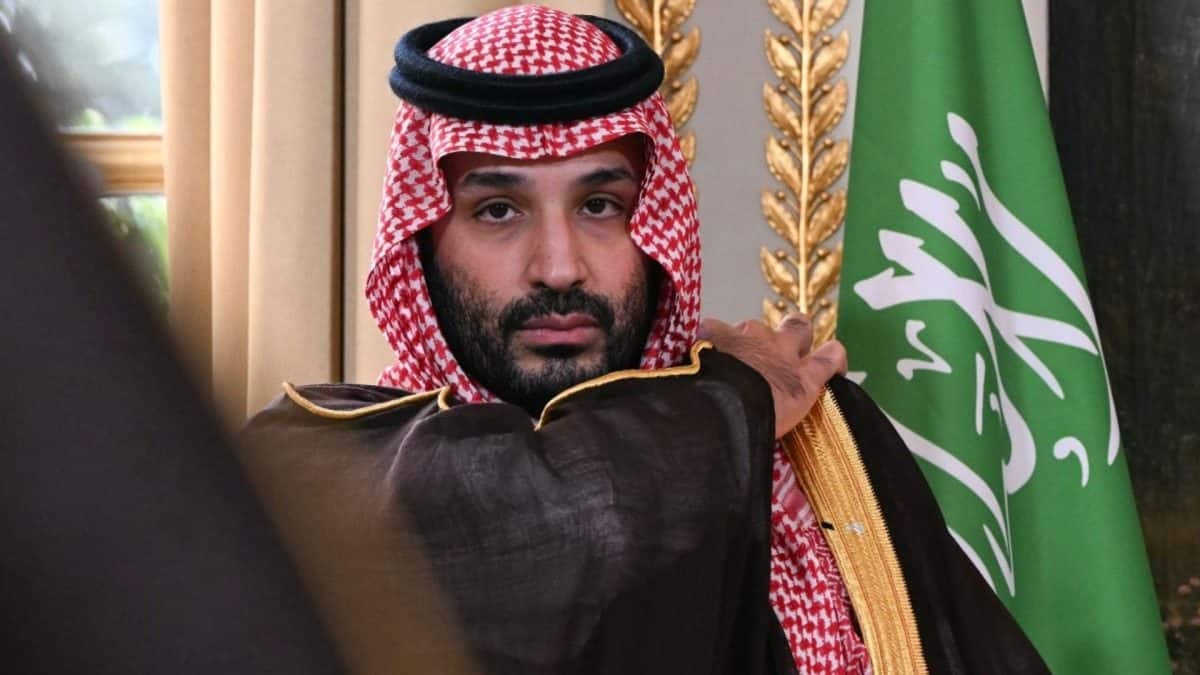
Saudi Arabia is struggling to contain a sustained Houthi missile and drone campaign against Riyadh, with at least 14 people killed and the kingdom's air defences under strain. Crown Prince Mohammed bin Salman, unseen in public for nearly a week, is being moved between fortified palaces equipped with bunkers, according to reporting by The Wall Street Journal and The Independent.
The escalation began in early October and reached a turning point on Saturday, October 10, when a combined drone and missile attack on King Khalid International Airport killed at least 13 people and injured more than 300. A further projectile struck the airport terminal the next day, killing one and wounding 11. Riyadh's airport has been closed until October 17.
What happened at Riyadh airport?
An initial Saudi probe, quoted by the Associated Press, found the Houthis launched multiple drones first, followed by cruise and ballistic missiles aimed at King Khalid International Airport. The sequence appears designed to complicate interception by saturating defensive systems.
On Monday, October 12, coalition spokesperson Turki Al-Maliki said Saudi forces intercepted one ballistic missile fired at Riyadh and two toward Khamis Mushait in the southwest. Houthi spokesman Yahya Saree claimed the Riyadh target was the airport itself and renewed warnings to international airlines against flying to Saudi airports, with the exception of Mecca and Medina.
Why Saudi air defences are under pressure
The kingdom operates US-made Patriot interceptors and other advanced systems, but repeated strikes have raised doubts about their reliability against Houthi weapons. Some Houthi ballistic missiles reportedly carry warheads capable of changing direction mid-flight, making them harder to stop.
There is also a supply problem. The Independent reported that Saudi Arabia is running low on interceptors, and Riyadh is now seeking additional air-defence support from France, Britain, Pakistan and Egypt.
Geography compounds the challenge. Saudi Arabia covers roughly 2.15 million square kilometres, and commanders must spread finite defensive assets across the capital, royal residences, airports, military sites and oil infrastructure. The Houthi campaign has also exposed a vulnerability that Saudi planners had hoped to avoid: while the kingdom can export oil through pipelines bypassing the Strait of Hormuz, its airports and energy facilities remain within range of Yemeni fire.
How Mohammed bin Salman is being protected
The crown prince's last reported public appearance was on October 6, at a national blood-donation drive. Officials familiar with his movements told The Wall Street Journal that he is being shuttled between heavily guarded palaces fitted with bunkers, a rotation designed to deny adversaries a fixed target. He travels with a handpicked security team.
Energy Minister Prince Abdulaziz bin Salman has promised a response that would be