
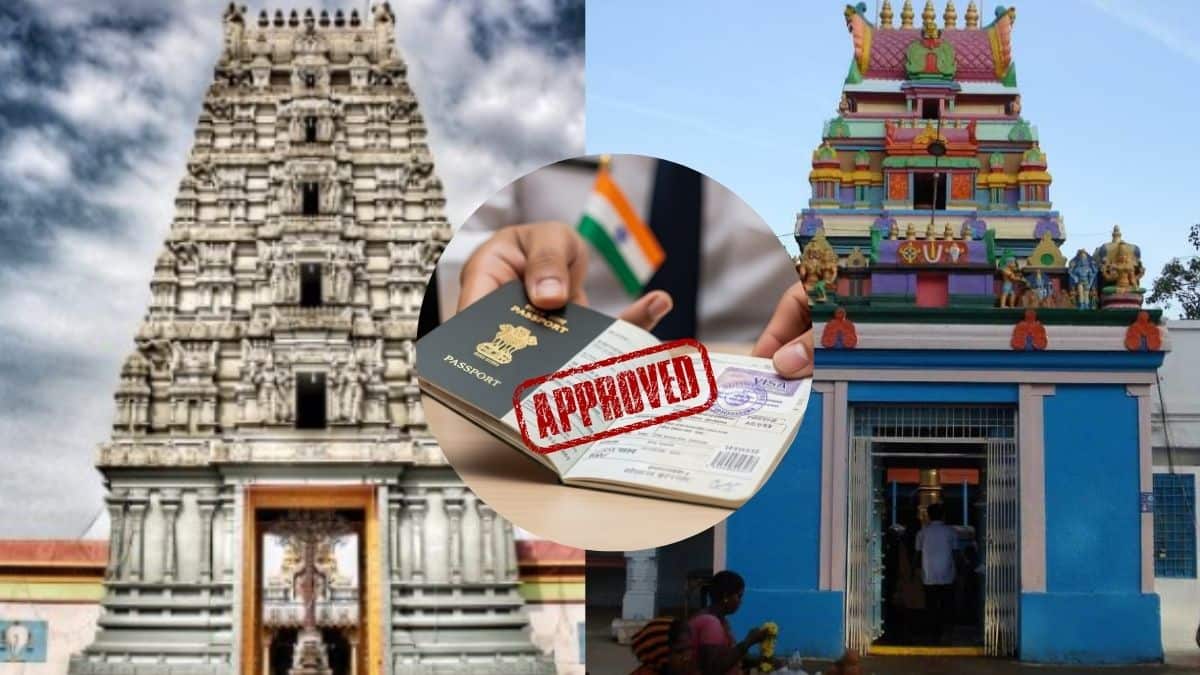
Across India, a unique phenomenon has emerged where traditional temples and religious sites have become focal points for visa seekers hoping for approval to travel abroad for work, study, or migration. These so-called 'visa temples' represent a fascinating intersection of faith, aspiration, and the global mobility challenges facing millions of Indians.
The practice highlights the significant role international migration plays in Indian society, where overseas opportunities for education and employment remain highly sought after, particularly for destinations including Australia, the United States, and other developed nations.
The Chilkur Balaji Phenomenon
The Chilkur Balaji Temple near Hyderabad, often called the 'Visa Balaji Temple', stands as the most prominent example of this trend. This centuries-old temple dedicated to Lord Venkateswara has become synonymous with visa success stories among Indian students and professionals.
The temple's unique ritual involves devotees performing 11 circumambulations while praying for visa approval, returning to complete 108 rounds upon success. Notably, the temple operates without donation boxes or paid services, treating all visitors equally regardless of economic status.
Regional Variations Across India
In Punjab's Talhan village, the Shaheed Baba Nihal Singh Gurudwara has earned the nickname 'Airplane Gurudwara' due to devotees offering toy aircraft models as symbols of their travel aspirations. This practice reportedly began when a successful visa applicant left a miniature plane as thanksgiving.
Other notable sites include the Prati Balaji Temple near Pune, Chennai's Kalikambal Temple, Varanasi's Sankat Mochan Hanuman Temple, and Delhi's Shree Siddhi Peeth Chamatkari Hanuman Mandir, each attracting visa hopefuls seeking divine intervention in their applications.
Social and Economic Implications
The visa temple phenomenon reflects broader socio-economic realities in contemporary India. With significant numbers seeking opportunities abroad, these religious sites have evolved to address modern aspirations while maintaining traditional spiritual practices.
For Australia, which maintains strong educational and migration ties with India, understanding these cultural practices provides insight into the hopes and challenges facing potential migrants and students. The phenomenon underscores the emotional and spiritual investment many Indians make in pursuing international opportunities.
While these temples cannot influence actual visa decisions, they serve as important community spaces where shared experiences and mutual support help individuals navigate complex immigration processes. The practice demonstrates how traditional institutions adapt to contemporary global realities, offering comfort and hope during uncertain waiting periods.