
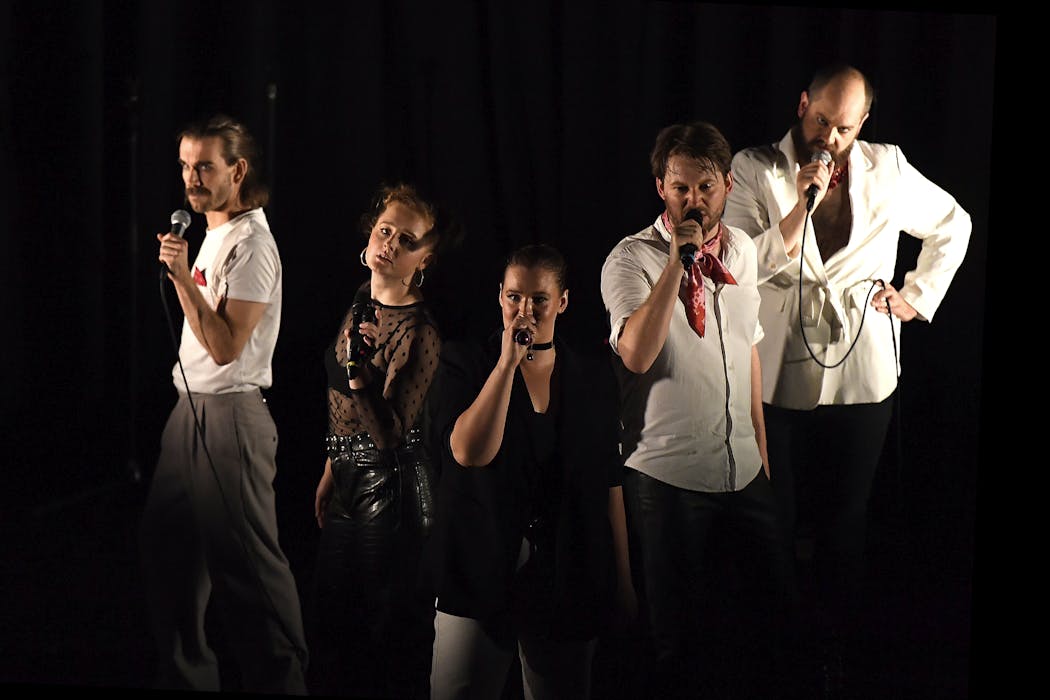
French Theatre Master Philippe Gaulier's Enduring Impact on New Zealand's Cultural Landscape
The passing of renowned French theatre pedagogue Philippe Gaulier at 82 marks the end of an era, yet his transformative influence on performance arts continues to resonate strongly across the Pacific, particularly within New Zealand's vibrant theatre community.
Gaulier's methodologies have fundamentally shaped New Zealand's theatrical identity since the 1970s, with Toi Whakaari New Zealand Drama School serving as the primary conduit for his innovative approaches to physical theatre and clown work.
Institutional Foundation and Early Influence
Nola Millar, Toi Whakaari's founding director in 1970, recognised the exceptional quality of École Jacques Lecoq, where Gaulier both trained and taught before establishing his independent institution. This early connection established a pipeline of expertise that would profoundly influence New Zealand's theatrical development.
The institutional impact is evident through key appointments: Tom McCrory served as Head of Movement from 1998 to 2013, Christian Penny directed the school from 2011 to 2018, and award-winning director Nina Nawalowalo brought Gaulier's methodologies into contemporary practice.
Cultural Adaptation and Innovation
In 2002, Nawalowalo and McCrory co-founded The Conch, a theatre company dedicated to Pasifika narratives through visual and physical theatre forms. McCrory attributes Gaulier's popularity in New Zealand to the nation's inherent adaptability, noting that "New Zealanders are inventive by necessity."
This cultural resonance reflects broader themes of resourcefulness and creativity that align with New Zealand's geographic isolation and multicultural identity.
Pedagogical Legacy and Contemporary Practice
Gaulier's training philosophy, rooted in Le Jeu (the game) and complicité, emphasised collaborative performance and audience engagement. His accessible modular teaching approach attracted international students, creating a global network of practitioners.
Contemporary New Zealand companies continue to employ these methodologies. Massive Theatre Company, founded by Samantha Scott in 1991, maintains strong connections to Gaulier's principles. Scott's direct study with Gaulier from 2012 to 2014 reinforced these institutional links.
A Slightly Isolated Dog, established in 2005, demonstrates the evolution of Gaulier's concepts, extending complicité to audience participation in their interpretations of classic narratives.
Regional Cultural Impact
The sustained influence of Gaulier's methodologies reflects New Zealand's position as a cultural bridge between European traditions and Pacific innovation. His emphasis on physical theatre and ensemble work aligns with indigenous Māori performance traditions and contemporary multicultural expression.
Theatre director David O'Donnell's documentation in Acting in Aotearoa highlights the surprisingly large representation of New Zealanders among Gaulier's international student body, suggesting deeper cultural affinities between French theatrical philosophy and New Zealand's creative sensibilities.
As Gaulier observed, his approach created spaces where "in the grip of pleasure and freedom, everyone is beautiful," a philosophy that continues to inform New Zealand's inclusive and innovative theatrical landscape.