
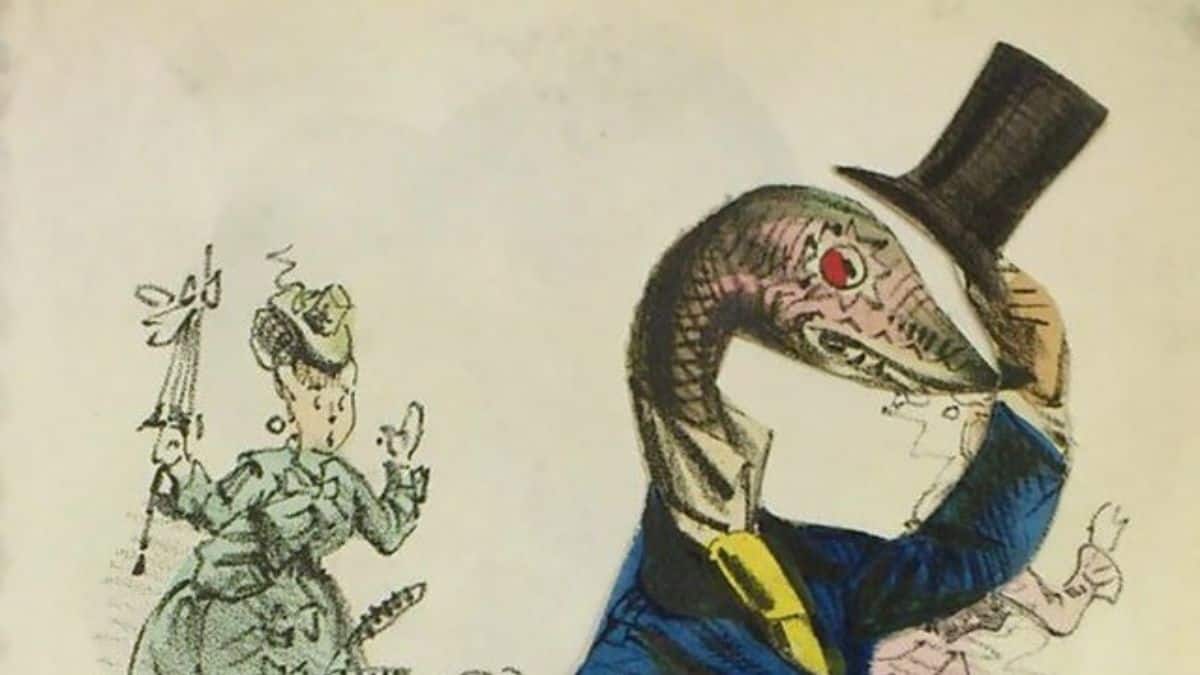
While Valentine's Day traditionally celebrates love and affection, the Victorian era gave birth to a darker tradition: the 'vinegar valentine', a deliberately cruel and mocking alternative to romantic cards that targeted society's vulnerable members.
These satirical cards, preserved today in collections at institutions including Brighton and Hove Museums and the New York Public Library, were designed to shock, offend, and humiliate recipients. Unlike their romantic counterparts, vinegar valentines carried messages of rejection, ridicule, and social condemnation.
A Cultural Phenomenon Born from Social Tensions
The practice emerged during the Victorian 'Valentine's mania' of the mid-1800s, when industrialisation had transformed handmade cards into mass-produced factory items. As traditional Valentine's Day cards flourished with lace decorations and romantic imagery, vinegar valentines developed as their antithesis.
Historical records reveal the cards targeted various social groups. An 1877 Newcastle Courant article noted that 'the pompous, the vain and conceited, the pretentious and ostentatious' were typically selected as recipients. The elderly, poor, and unmarried individuals also faced particular scrutiny.
The anonymous nature of these cards created a dangerous dynamic. In 1885, Birmingham resident William Chance attempted to murder his estranged wife after receiving a vinegar valentine from her, demonstrating the potential for serious consequences.
Commercial Success and Social Commentary
Major British publishers, including Raphael Tuck & Sons, royal publishers to the monarchy, capitalised on the trend. The practice crossed the Atlantic to the United States by the mid-1800s, where American printers both produced domestic versions and imported British cards.
During the American Civil War, vinegar valentines became vehicles for political expression. Union supporters could send inflammatory messages to Confederate sympathisers, transforming personal correspondence into political warfare.
Targeting Social Change
The early 1900s saw suffragettes become primary targets. Women advocating for voting rights faced cards depicting them as 'unfeminine' spinsters or abusive wives. One card warned: 'A vote from me you will not get, I don't want a preaching suffragette.'
However, the movement also produced counter-narratives. Pro-suffrage cards challenged traditional gender roles, with one defiantly asking: 'And you think you can keep women silent politically? It can't be did!'
Legacy and Modern Parallels
Vinegar valentines declined after World War I, possibly due to changing cultural attitudes towards such 'lowbrow' humour. The tradition experienced brief revival during the 1950s comic postcard era.
Contemporary parallels exist in anonymous online harassment, which shares the vinegar valentine's spirit of anonymous cruelty. However, modern digital abuse lacks the temporal constraints that once limited such behaviour to February.
These historical artifacts serve as reminders of how societies have long used humour and anonymity to enforce social norms and express frustrations, revealing uncomfortable truths about human nature that transcend historical periods.