
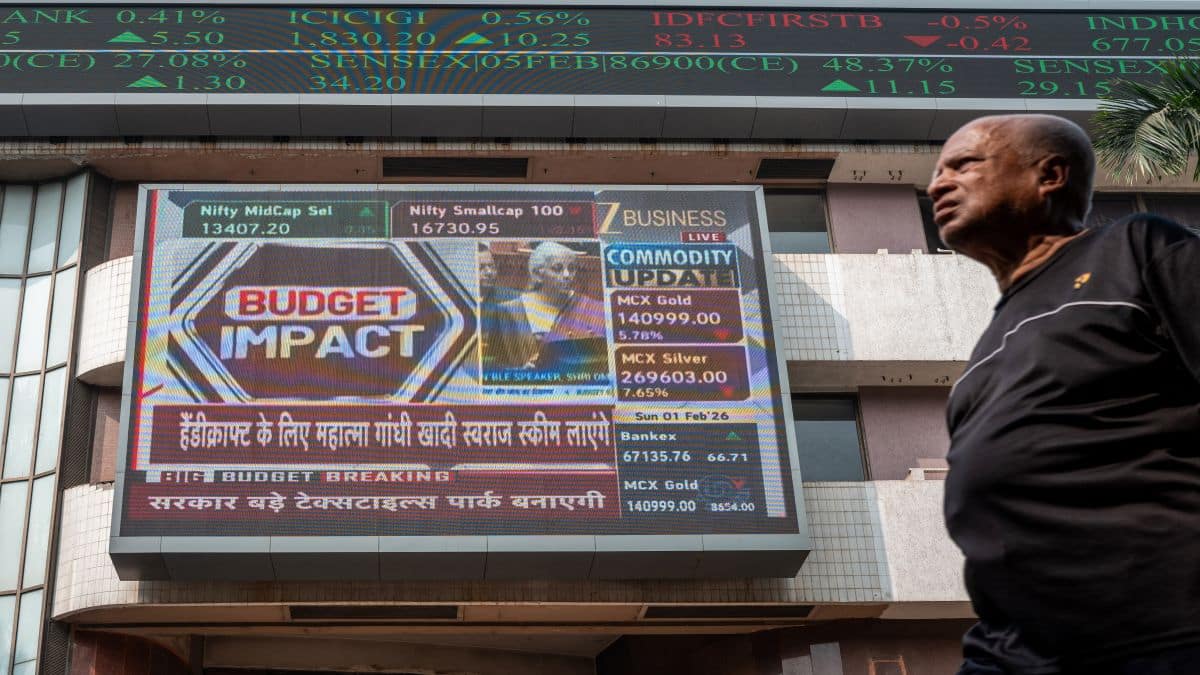
India's Budget 2026 delivers mixed economic signals for regional trade
Finance Minister Nirmala Sitharaman's ninth consecutive budget presentation has introduced significant policy shifts that will impact Australia's trade relationship with India, particularly in healthcare and luxury goods sectors.
Healthcare accessibility improvements
The most substantial reform centres on healthcare affordability. India has eliminated basic customs duty on 17 cancer-related medications, a move that could influence pharmaceutical trade patterns across the Indo-Pacific region. The policy extends duty relief to seven additional rare diseases, potentially affecting Australian pharmaceutical companies operating in the Indian market.
This healthcare-focused approach aligns with broader regional trends towards improving medical accessibility, though it may create competitive pressures for Australian drug manufacturers who export to India.
Education and tourism liberalisation
Foreign education expenses will benefit from reduced Tax Deducted at Source rates under India's Liberalised Remittance Scheme. This policy shift could strengthen educational ties between Australia and India, particularly benefiting Australian universities with significant Indian student populations.
Tourism packages to overseas destinations, including Australia, will become more affordable as Tax Collected at Source rates drop from five percent to two percent. This reduction could boost Indian tourist numbers to Australia, supporting the bilateral tourism relationship.
Manufacturing and trade implications
Several manufacturing sectors receive duty exemptions, including microwave ovens, sports equipment, and civilian aircraft components. These changes reflect India's industrial policy priorities and could affect Australian suppliers in these sectors.
The removal of shoe upper export duties may impact Australian footwear manufacturers competing in regional markets.
Luxury goods face increased taxation
Premium items including imported alcohol and luxury watches will attract higher duties, potentially affecting Australian wine and spirits exports to India. Coffee equipment also faces increased costs through removed exemptions on roasting and brewing machinery.
Financial market adjustments
Securities Transaction Tax increases on futures and options trading signal India's intent to moderate speculative activity. Futures STT rises to 0.05 percent from 0.02 percent, while options STT increases to 0.15 percent from 0.1 percent.
Tax compliance enforcement strengthens with penalties for income misreporting now matching 100 percent of the tax amount involved.
Regional economic implications
These budget measures reflect India's evolving economic priorities, balancing social welfare improvements with revenue generation needs. For Australia, the changes present both opportunities in education and tourism sectors, alongside challenges in luxury goods trade.
The healthcare reforms particularly demonstrate India's commitment to improving public health outcomes, potentially creating new collaborative opportunities for Australian medical technology companies and research institutions.