
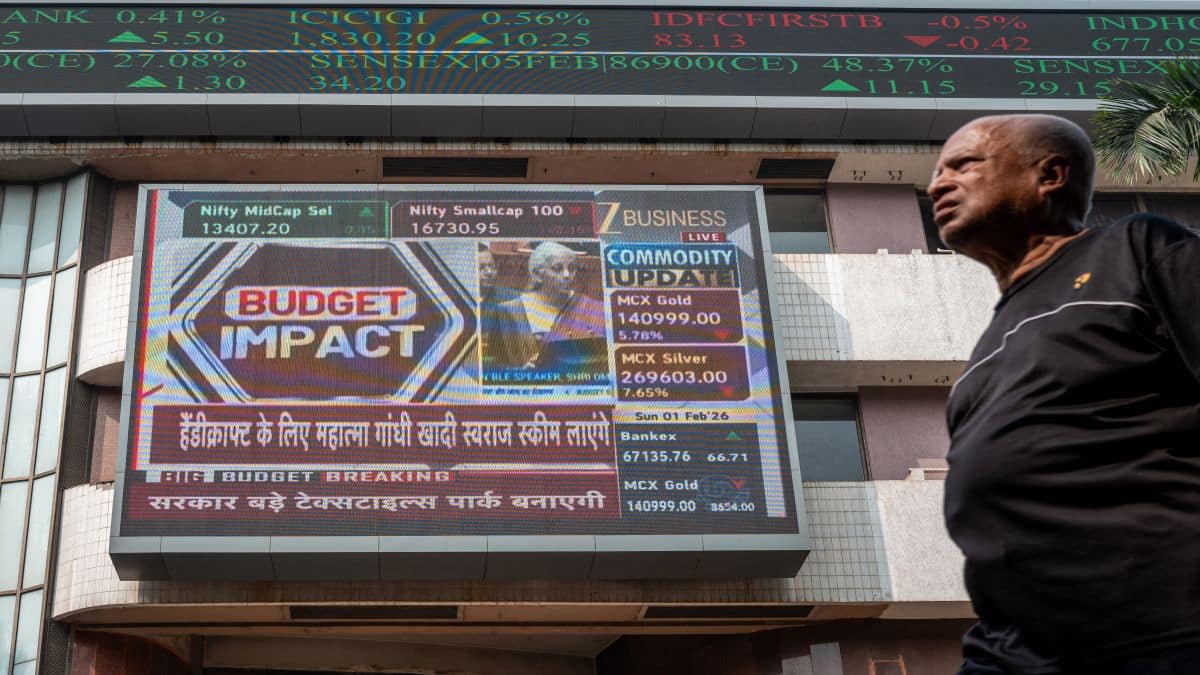
India's Finance Minister Nirmala Sitharaman delivered her ninth consecutive budget on February 1, presenting a mixed bag of policy changes that will significantly impact consumer costs across various sectors. The budget's emphasis on employment generation and capital expenditure comes alongside targeted relief measures and selective tax increases.
Healthcare Relief Takes Centre Stage
The most significant consumer relief comes in healthcare, where the government has eliminated basic customs duty on 17 cancer-related drugs and medicines. This move addresses the substantial financial burden faced by cancer patients, as imported oncology medicines previously attracted customs duties that inflated retail prices.
The relief extends beyond cancer treatment, with seven additional rare diseases now receiving customs duty exemptions. Personal imports of specialised drugs, medicines and medical foods for these conditions will be duty-free, particularly benefiting patients requiring niche therapies unavailable in India's domestic market.
Travel and Education Costs Reduced
International travel becomes more affordable with the Tax Collected at Source (TCS) rate on overseas tourism packages reduced from 5 percent to 2 percent. Similarly, foreign education expenses benefit from lower Tax Deducted at Source (TDS) rates under the Liberalised Remittance Scheme.
The aviation sector receives support through duty exemptions on components and parts for civilian, training and other aircraft manufacture, potentially strengthening India's aerospace capabilities while reducing costs.
Consumer Goods See Mixed Impact
Several everyday items become more accessible, with microwave ovens receiving basic customs duty exemptions. The government's focus on sports development through the Khelo India mission extends to making sports equipment more affordable.
However, luxury consumption faces increased costs. Imported alcohol and premium watches will become more expensive following the budget announcements. Coffee enthusiasts also face higher prices as the government removed exemptions on coffee roasting, brewing and vending machines.
Financial Markets Face Higher Transaction Costs
Securities trading becomes costlier with increased Securities Transaction Tax (STT) rates. Futures trading STT rises from 0.02 percent to 0.05 percent, while options trading increases from 0.1 percent to 0.15 percent. This change reflects the government's approach to moderating speculative trading activity.
Tax compliance receives stricter enforcement, with income tax misreporting now attracting penalties equivalent to 100 percent of the tax amount, signalling the government's commitment to revenue collection integrity.
Agricultural Input Costs Rise
The agricultural sector faces mixed signals as the government removed import fee exemptions on ammonium phosphate and ammonium nitro-phosphate, key components in fertiliser manufacturing. This change may increase input costs for farmers, potentially affecting agricultural productivity and food prices.
The budget reflects India's balancing act between supporting essential services like healthcare and education while generating revenue through selective taxation on luxury goods and financial market activities. These measures demonstrate the government's strategic approach to fiscal policy amid ongoing economic challenges.