
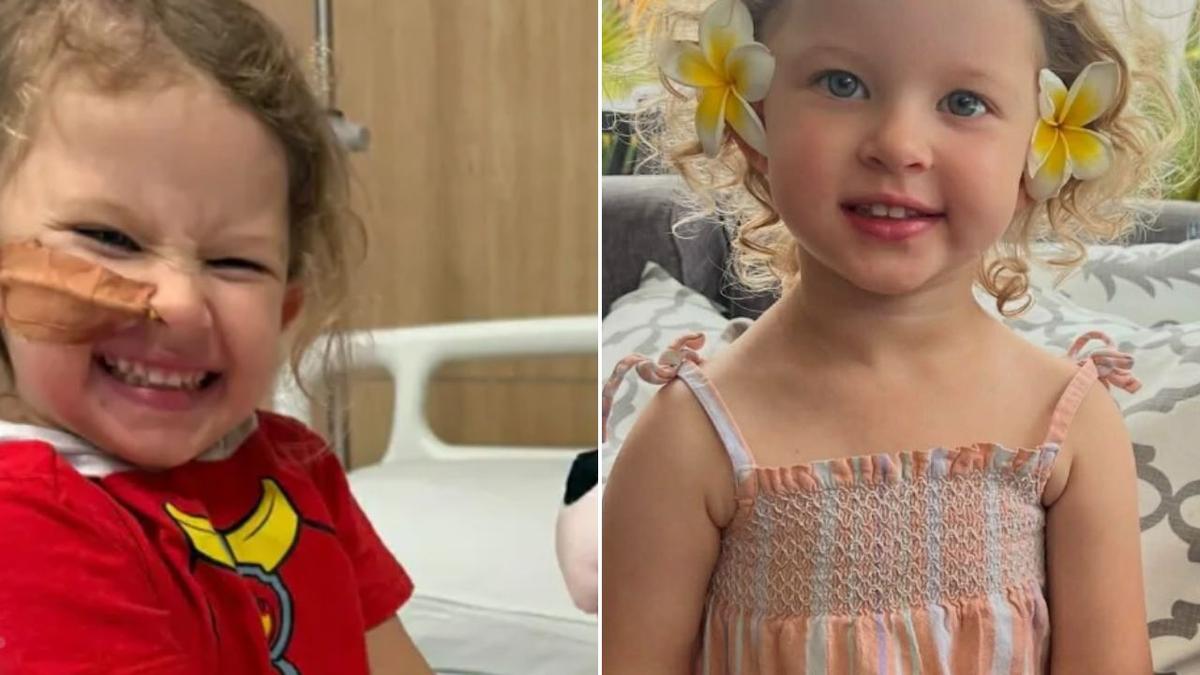
Five-year-old Charlotte Jameson's journey from a healthy toddler to facing terminal childhood dementia highlights a devastating reality affecting Australian families: rare neurodegenerative diseases that mirror adult dementia but strike children in their earliest years.
Charlotte's symptoms began at age three with seizures that doctors initially attributed to epilepsy. However, when standard epilepsy treatments proved ineffective, comprehensive testing revealed a far more serious condition: Batten Disease CLN2, a fatal genetic disorder affecting brain development.
Understanding childhood dementia
Professor Susan Maloney, Director of Paediatrics at Gold Coast University Hospital, explains the condition's devastating progression. "This is an extremely rare neurodegenerative condition in early childhood," she notes. "There are only a handful of children in Australia with it. When you have this disease, you're missing a gene that codes for some of the protein and carbohydrates in your brain."
The prognosis presents a heartbreaking timeline. Children with Batten Disease CLN2 typically lose mobility by age six or seven, experience vision loss around the same time, and gradually lose speech capabilities. Most become bedridden by age ten, with life expectancy rarely extending beyond fourteen years.
Treatment challenges and family decisions
Charlotte currently receives fortnightly brain infusions at Gold Coast University Hospital, treatments designed to slow disease progression rather than cure it. Her mother, Sarah Jameson, describes the emotional weight of managing both hope and reality.
"The time will come where we need to measure up quality of life versus sustaining life," Sarah explains. The family has already made difficult decisions about future care, signing documentation regarding treatment cessation when quality of life deteriorates beyond acceptable levels.
Public awareness and social challenges
The Jameson family faces additional challenges in public settings, where Charlotte's behaviour may be misunderstood. "I can't explain her mental cognitive ability is that of an 18-month-old," Sarah notes, describing the difficulty of navigating social situations with a child whose physical age doesn't match her developmental capacity.
Sarah emphasises the critical need for increased awareness. "There are the same amount of cases of childhood dementia as there is for childhood cancer, but childhood dementia is 100 per cent terminal," she states, highlighting a stark disparity in public understanding and research funding.
Policy implications and healthcare response
The rarity of conditions like Batten Disease CLN2 presents significant challenges for Australia's healthcare system. With only a handful of cases nationally, developing specialised treatment protocols and support systems requires coordinated effort between major medical centres.
The case underscores broader questions about rare disease research funding and the need for enhanced genetic screening programs that could provide earlier diagnosis and family planning support.
Community support and advocacy
The Jameson family has reluctantly accepted community support through fundraising efforts aimed at fulfilling Charlotte's experiences while she remains able to enjoy them. Their primary goal extends beyond immediate needs to broader education about childhood dementia's existence and impact.
Despite the devastating prognosis, Charlotte continues enjoying typical childhood interests including animals, popular children's programs, and time with her twin sister and older sibling. The family's approach emphasises maximising quality time rather than focusing solely on medical interventions.
Their story serves as both a personal tragedy and a call for increased research into rare childhood neurodegenerative conditions, highlighting the urgent need for better understanding and support systems for affected Australian families.