
Tennis Legend Jennifer Capriati Makes Rare Public Return at Australian Open
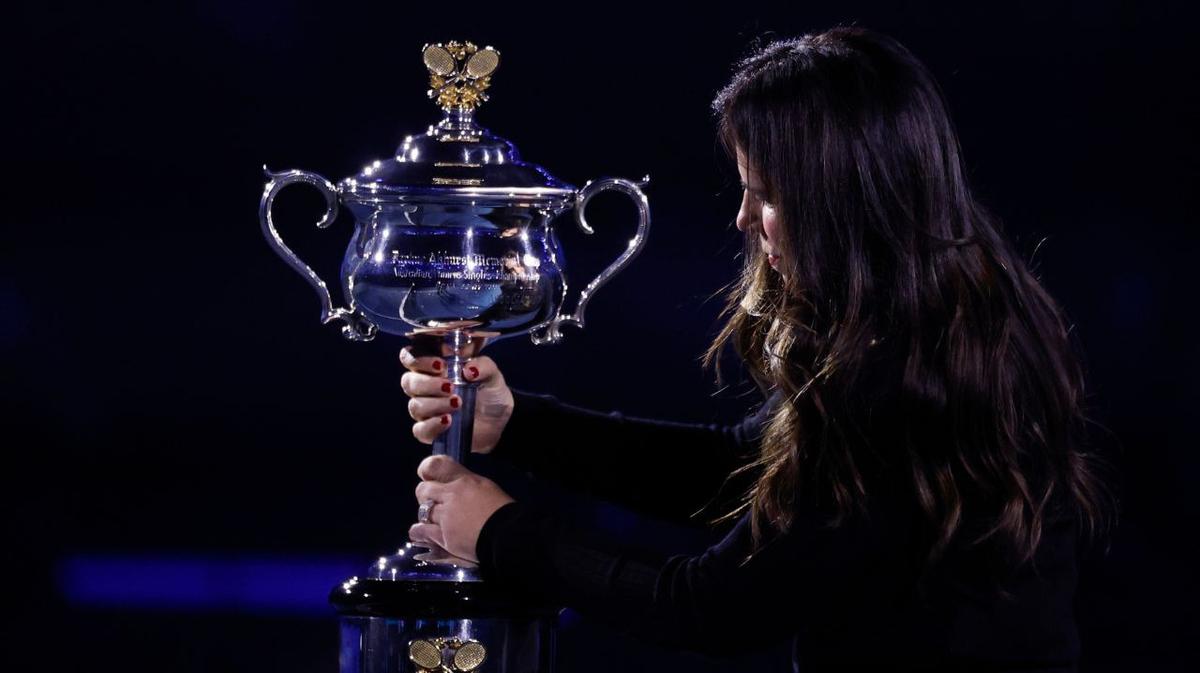
American tennis icon Jennifer Capriati made a remarkable return to the public eye at Melbourne Park on Saturday, presenting the Daphne Akhurst Memorial Cup ahead of the women's final between Aryna Sabalenka and Elena Rybakina.
The 49-year-old former world number one has maintained an exceptionally low profile since retiring from professional tennis over two decades ago, making her appearance at Rod Laver Arena all the more significant for tennis enthusiasts.
A Triumphant Return to Melbourne
Capriati's connection to the Australian Open runs deep, having claimed the first of her three Grand Slam titles at Melbourne Park 25 years ago. Her presence on court brought a sense of history to the proceedings, connecting contemporary tennis with one of the sport's most compelling narratives.
"I just have so much gratitude. I've had 20 years to reflect on it and it's just great to be back. I'm honoured to be back. It's been a journey," Capriati told the Tennis Channel, her words carrying the weight of decades spent away from the spotlight.
The Original Teenage Prodigy
Capriati's career trajectory remains one of tennis's most remarkable stories. Making her professional debut at just 13 years and 11 months in 1990, she quickly established herself as a generational talent, reaching the French Open semi-finals at 14 and becoming the youngest player to crack the top 10.
Her early success culminated in Olympic gold at Barcelona in 1992 at age 16, positioning her as the face of American tennis. However, the pressures of early stardom proved overwhelming, leading to a 14-month hiatus from professional tennis in 1994.
Resilience and Redemption
Following personal struggles during her time away from tennis, including legal difficulties, Capriati's comeback story became one of sport's greatest redemption narratives. Her return to form began in earnest around 1999, culminating in her breakthrough Australian Open victory in 2001.
That Melbourne triumph, featuring victories over world number one Martina Hingis and number two Lindsay Davenport, marked the beginning of her most successful period. She followed with a French Open title later that year and ascended to the world number one ranking.
Her final Grand Slam victory came at the 2002 Australian Open, where she staged one of tennis history's most memorable comebacks, recovering from a set and 4-0 deficit against Hingis.
Legacy and Technology
Beyond her titles, Capriati inadvertently influenced tennis technology. Her controversial 2004 US Open quarter-final defeat to Serena Williams, marred by disputed line calls, helped accelerate the introduction of Hawk-Eye technology to professional tennis.
Injuries forced her retirement at 28, after which she largely withdrew from public life. Her 2012 induction into the Tennis Hall of Fame represented one of her few public appearances before Saturday's return to Melbourne Park.
A Welcomed Return
Fellow American tennis legend Lindsay Davenport expressed delight at Capriati's reappearance, noting the significance for both the sport and its fans. "Whoever wins is going to be excited not only to win, but to see her. It's just been remarkable to see you back on the grounds," Davenport observed.
Capriati's rare public appearance serves as a reminder of tennis's capacity for both triumph and redemption, offering hope that one of the sport's most gifted players may gradually re-engage with the tennis community that never forgot her contributions to the game.