
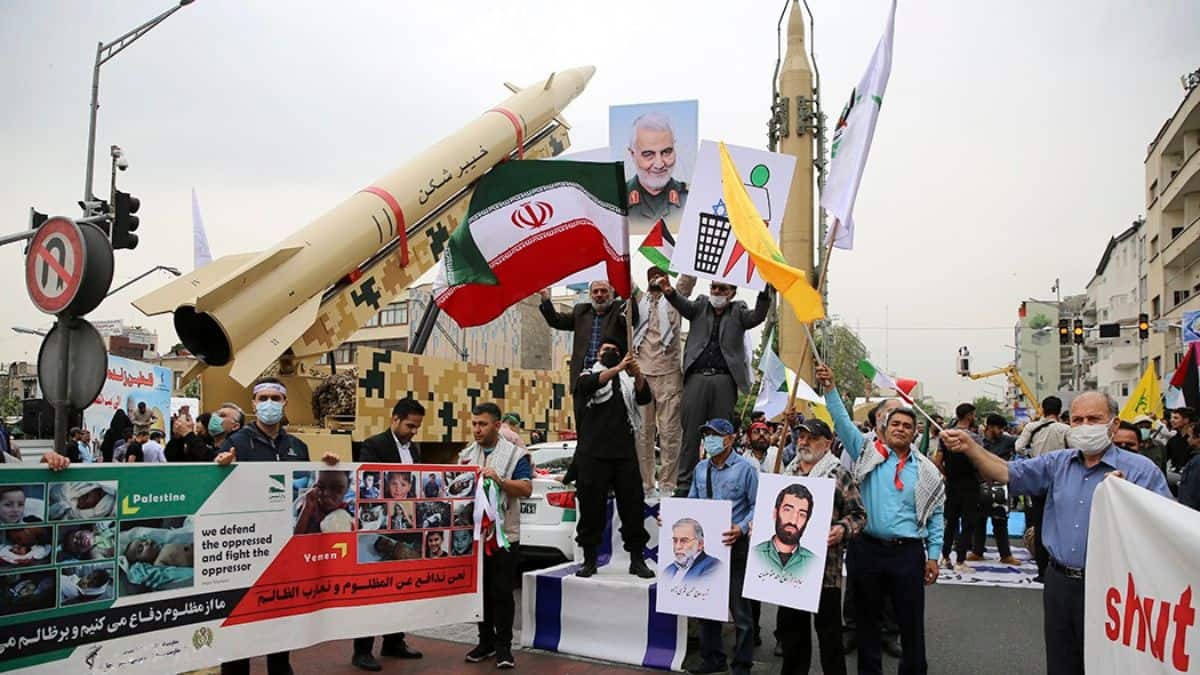
The ongoing conflict between Iran and the US-Israel alliance has reached a concerning new phase following Iran's ballistic missile attack on Turkey, marking the first time Tehran has targeted a NATO member state during the current hostilities.
According to Turkey's Defence Ministry, the missile was intercepted by NATO air defences while travelling through Iraqi and Syrian airspace towards Turkish territory. Debris from the downed missile was recovered in Dortyol, Hatay Province, approximately 72 kilometres from the strategically important Incirlik Air Base.
Strategic Implications for Regional Security
The attack represents a significant escalation in Iran's response strategy following the joint US-Israeli strikes that eliminated Supreme Leader Ayatollah Ali Khamenei and other senior Iranian officials. Until this incident, Tehran had focused its retaliatory strikes on US military assets across Iraq, Israel, Jordan and Gulf states, while notably avoiding Turkish targets.
Turkey's strategic importance stems from its hosting of US military installations, including the Incirlik Air Base and the Kurecik radar facility in central Turkey. The latter operates a NATO early-warning system capable of detecting Iranian missile launches, a capability that has long concerned Tehran despite Ankara's assurances that radar data is not shared with Israel.
NATO Article 5 Considerations
The incident has raised questions about potential invocation of NATO's Article 5 collective defence provision, which considers an attack on one member as an attack on all. NATO spokeswoman Allison Hart confirmed the alliance "stands firmly with all allies, including Turkey, as Iran continues its indiscriminate attacks across the region."
However, Article 5 activation requires consensus among member states and is not automatically triggered. The alliance will likely assess whether Iran's missile strike constitutes sufficient grounds for collective response measures.
Diplomatic Ramifications
Turkish President Recep Tayyip Erdogan has maintained calls for regional de-escalation while expressing concern over the expanding conflict. "We are on the side of peace," Erdogan stated, emphasising Turkey's preference for diplomatic resolution during the holy month of Ramadan.
Ankara summoned Iran's ambassador to express formal concerns over the incident, while Foreign Minister Hakan Fidan warned Tehran against actions that could further widen the conflict.
Strategic Risks for Iran
Regional analysts suggest Iran's targeting of Turkey represents a significant strategic miscalculation. Unlike strikes against Gulf states, an attack on Turkey carries substantially higher risks of military retaliation and diplomatic isolation.
Arif Keskin from Ankara University noted that "a direct military move against Turkey would risk triggering a symmetrical response from Ankara, potentially pushing the conflict beyond manageable limits."
The incident also threatens to undermine Turkey's role as a potential mediator in future diplomatic efforts, eliminating what analysts describe as one of Iran's few remaining channels for crisis management and negotiation.
Regional Response
European leaders have expressed alarm at Iran's expanding target selection. Polish Foreign Minister Radosław Sikorski characterised Iran's approach as "broadening the war to countries that did not attack it," describing the strategy as both criminal and strategically misguided.
The incident occurs amid broader regional tensions, with an American submarine reportedly engaging an Iranian naval vessel off Sri Lanka, while domestic US politics see Republican legislators blocking measures to limit presidential war powers.
As the conflict enters what appears to be a more dangerous phase, the international community faces mounting pressure to prevent further escalation that could draw NATO directly into the regional confrontation.