
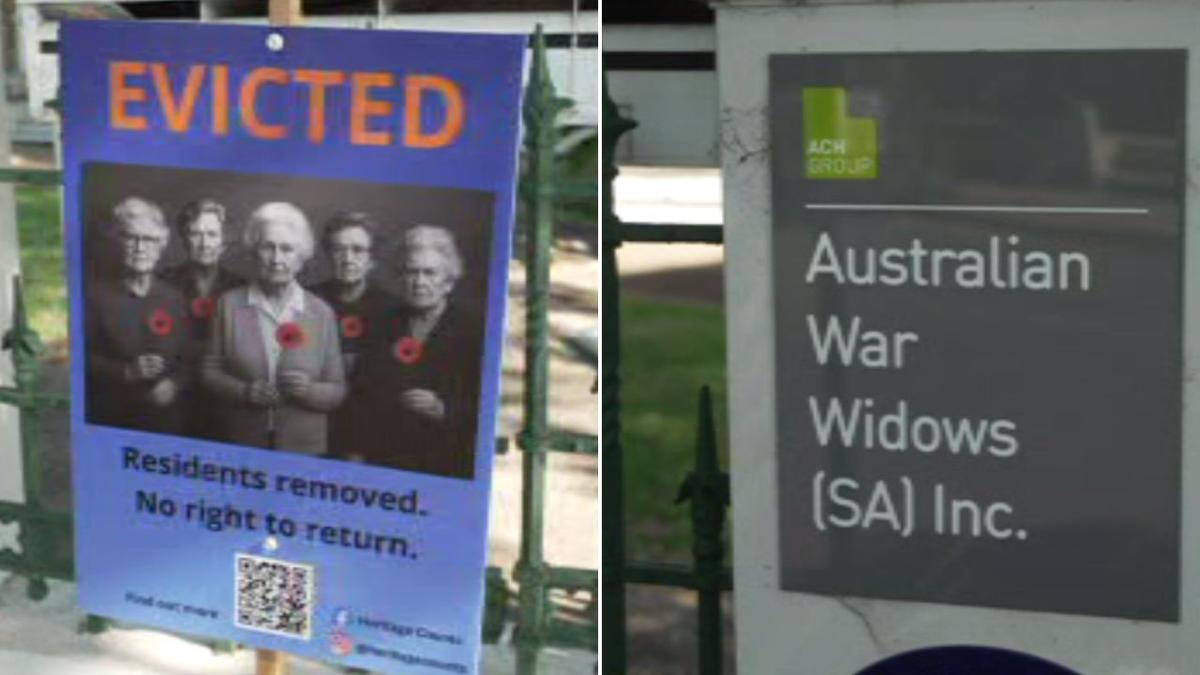
A cherished piece of Australian history faces extinction as a Rose Park site that housed war widows for over six decades prepares for demolition to make way for a $120 million luxury retirement development.
The South Australian property has served as both affordable housing and a vital community hub for women who lost partners in military service, creating bonds forged through shared sacrifice and mutual support.
A Legacy Under Threat
For more than 60 years, the Rose Park site offered war widows far more than accommodation. It provided a sanctuary where women could rebuild their lives alongside others who understood their profound loss.
Kath Harrison, who lived at the site for decades before her death in 2012, embodied the community's spirit. "The friendship that I've gained and the things that I've done and the people that I've met through the guild have made a life for me," she reflected.
Her daughter Dianne Vowles recalls how the community shaped her mother's entire adult life. "It meant the world to her because she lived here for so long, and she lived here with people she had so much in common with," Vowles said.
Community Bonds and Shared Grief
The site fostered unique intergenerational relationships. Carly Vowles, Kath's granddaughter, grew up immersed in this extended family network. "When you came here you didn't just have the grandmother you were staying with, you had a dozen grandmas who would come out," she said.
This tight-knit community allowed women to share both grief and milestones, creating what families describe as an almost sacred space born from collective sacrifice.
Development Plans Spark Controversy
The ACH Group, which received the land as a gift two decades ago, now plans to construct 72 premium retirement apartments, a stark departure from the original low-cost accommodation model.
The development has faced criticism for its apparent disconnect from the site's historical purpose. Jean Rouse Villa, named after the War Widows Guild's first paid member, had enjoyed heritage protection until amendments were made in May last year, shortly before the development application was lodged.
Calls for Preservation
Local residents and families connected to the site argue for preservation rather than replacement. "We feel that the important social and historical significance of this site should be protected," said local resident Rebecca Gigney.
Carly Vowles advocates for restoration over redevelopment. "Restore the buildings, keep up the maintenance, let the war widows live out their lives here. Let future war widows live here," she urged.
The controversy highlights broader questions about how Australia honours its military heritage and supports those who have sacrificed for the nation. As demolition approaches in the coming months, the debate continues over whether commercial interests should override historical and social significance.
The War Widows Guild was established to help women achieve independence following their loss, not to leave them seeking assistance. For many, the current situation represents a departure from those founding principles and the respect owed to those who gave so much for their country.