
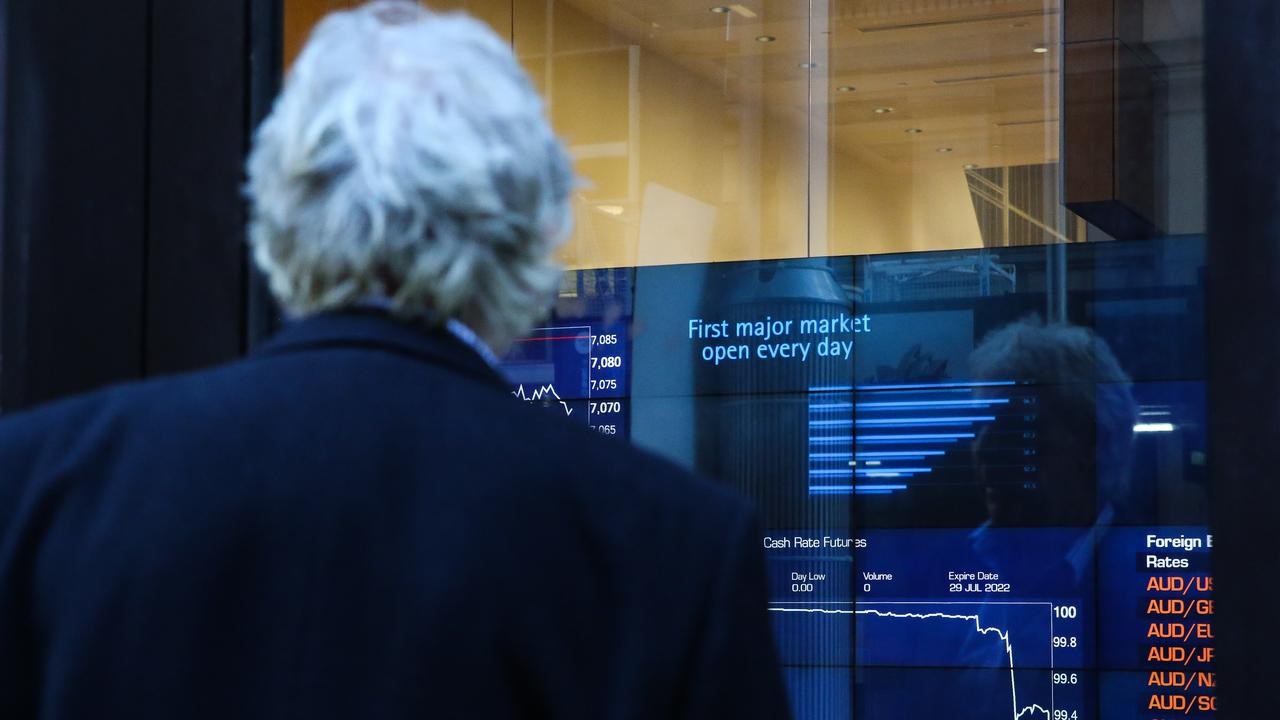
The Australian sharemarket closed lower on Friday as a sharp decline in mining stocks and renewed conflict in the Middle East weighed on investor sentiment. The benchmark ASX 200 fell 44 points, or 0.50 per cent, to 8796.70, while the broader All Ordinaries index lost 58.10 points, or 0.64 per cent, to 8978.80.
The Australian dollar also slipped 0.18 per cent against the US dollar to 69.85 US cents, reflecting broader risk-off sentiment in global markets.
What drove the materials sector lower?
Despite seven of the 11 sectors finishing in positive territory, the materials sector alone fell by 2.91 per cent, driven largely by iron ore and gold miners. BHP shares dropped 2.71 per cent to $57.54, Rio Tinto fell 2.39 per cent to $160.95, and gold miners Northern Star Resources and Evolution Mining each declined more than 4 per cent to $19.24 and $10.53 respectively.
BHP's performance was influenced by its operational update on Thursday, which showed record iron ore output but raised concerns about copper production outlook. Adding to the miner's woes on Friday was a strike at its Port Hedland operation in Western Australia.
Global X ETF senior product and investment strategist Marc Jocum described it as a sea of red across the materials sector. Gold miners retreated after the precious metal slipped below US$4,000 an ounce for the first time since September, he said. The broader materials sector also came under pressure from underwhelming operational updates and global risk-off sentiment.
How did technology stocks perform?
The technology sector also contributed to the market's decline. Megaport shares slumped 8.48 per cent to $18.23, Life360 dropped 3.43 per cent to $25.61, and NextDC finished 2.45 per cent lower to $13.12.
Offsetting these losses were gains in defensive sectors including energy, communication services, consumer staples, and utilities, all finishing in the green.
Mr Jocum noted that despite the pullback, the Australian share market remains one of the stronger-performing major equity markets so far this month. Its relatively modest exposure to high-flying AI and technology stocks has helped shield investors from sharp swings seen across global markets, he said.
What impact did Middle East tensions have?
Renewed strikes between the US and Iran weighed on investor sentiment. Oil prices are on track for their biggest weekly gain since April, when the conflict disrupted supply through the critical Strait of Hormuz. Global benchmark Brent crude oil is up around 12 per cent to US$85 (A$121) a barrel.
What were the notable company movements?
In company news, supermarket giant Coles shares rallied 2.88 per cent to $23.21 after announcing it would walk away from a reportedly $4 billion deal to buy Petbarn's owner Greencross.
Regis Resources shares dived 8.44 per cent to $5.64, hitting a five-week low, due to a disappointing gold production outlook. The business forecasts FY27 production guidance of 360,000 to 400,000 ounces, broadly flat versus FY26 and 3 per cent below consensus of 392,000 ounces.
Buy now, pay later provider Zip shares dropped 5.10 per cent to $2.98 following a strategic review of its business portfolio, which led to the decision to close its New Zealand operations.