
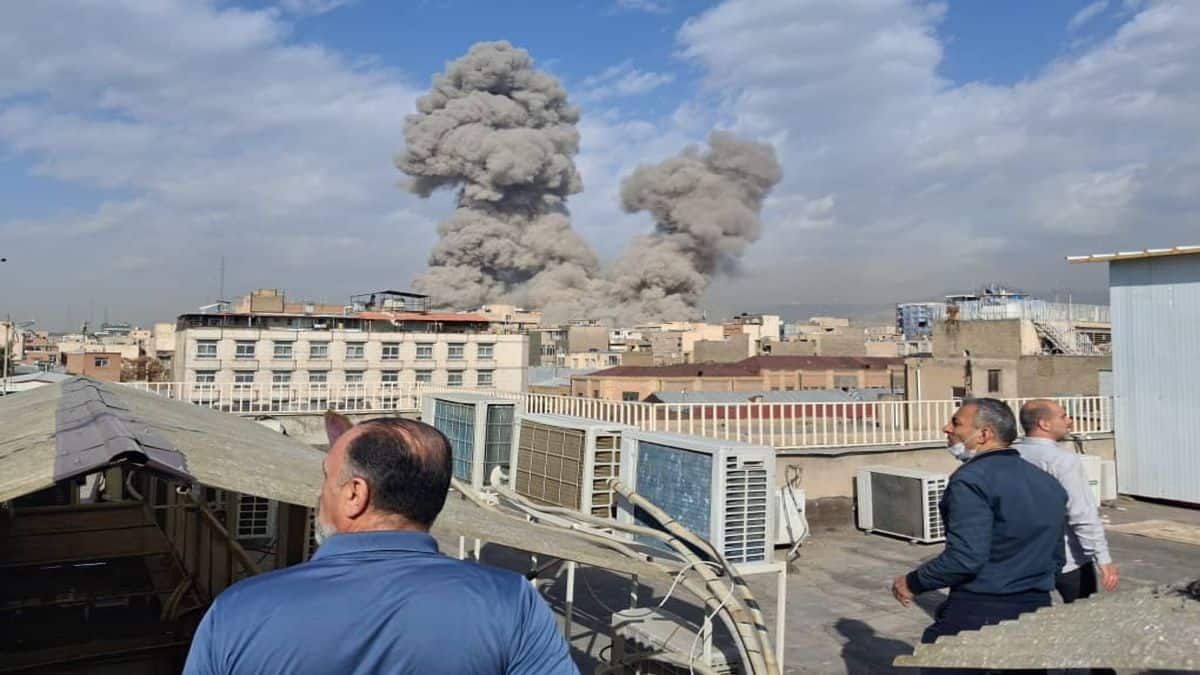
Israel launched coordinated pre-emptive strikes against Iranian targets on Saturday morning, marking a significant escalation in regional tensions as diplomatic negotiations over Tehran's nuclear programme stalled.
Israeli Defence Minister Israel Katz confirmed the operation was designed to "remove threats to the State of Israel", while multiple explosions were reported across Tehran, Isfahan, Karaj, and Kermanshah. The strikes were coordinated with the United States, according to security sources cited by Israeli and American media.
Coordinated Military Response
The joint operation, reportedly planned for months, represents the largest military action against Iran since tensions escalated over its nuclear programme. Israeli officials described the timing as deliberate, launching during daylight hours to surprise Iranian forces who typically expect night operations.
"Israel is going all out in this operation, and the US is on the same page," an unnamed security source told Channel 12. The strikes prompted Israel to close its airspace to civilian flights and shift the entire country to "essential activity" status, including school closures and workplace restrictions.
Nuclear Negotiations Breakdown
The military action followed President Donald Trump's public criticism of Iran's negotiating stance on its nuclear programme. "We're not exactly happy with the way they negotiated. They cannot have nuclear weapons," Trump told reporters on Friday after inconclusive talks.
Since January, the Trump administration has demanded Iran completely abandon its nuclear programme while deploying the largest US military build-up in the Middle East since the 2003 Iraq invasion. Washington and Israel maintain Iran is developing nuclear weapons capability, despite Tehran's insistence its programme serves peaceful civilian purposes.
Regional Implications
Iran responded by closing its airspace and disrupting communications networks across Tehran. Iranian officials indicated preparations for "crushing" counterattacks, with missiles launched toward Israel hours after the initial strikes.
The operation carries broader strategic implications for regional stability and US-Australia alliance coordination in the Indo-Pacific. Australia has consistently supported diplomatic solutions to nuclear proliferation while maintaining strong defence ties with both the United States and Israel.
Political Calculations
Analysts suggest the timing reflects complex political calculations. According to Georgetown University's Mehran Kamrava, Israel may be attempting to derail US-Iran negotiations while forcing stronger American military commitment in the region.
Trump confirmed US participation via Truth Social, stating the operation aims at "eliminating imminent threats from the Iranian regime". The administration previously indicated preference for Israeli-led action to justify broader American military engagement.
As tensions escalate, the international community faces critical decisions about diplomatic engagement versus military deterrence in addressing nuclear proliferation concerns. The outcome will significantly influence regional security architecture and multilateral approaches to conflict resolution.